
Grooves that are difficult to clean
Deep pits and grooves in back teeth can hold food and bacteria. Sealants are considered for suitable surfaces rather than applied to every tooth.

Dental sealants are thin protective coatings placed in selected chewing-surface grooves to help prevent cavities. At Green California Dental Group, the dentist assesses the tooth and your risk of decay before recommending this added layer of protection.
 Your goals. Your dental health. A plan discussed together.
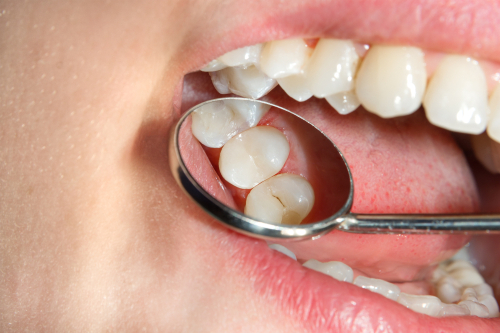
Your starting point
Deep pits and grooves in back teeth can hold food and bacteria. Sealants are considered for suitable surfaces rather than applied to every tooth.

Sealants are often considered as permanent molars come through. Adults may also benefit when tooth condition and cavity risk make them appropriate.

Sealants protect the covered surface, not the whole mouth. Brushing, cleaning between teeth and dental reviews still matter.
An examination helps your dentist explain what is appropriate for your teeth and gums.
Explore your options
Sealants provide targeted protection rather than a whole-mouth coating. Your dentist can discuss new protection, whether an adult tooth is suitable, or whether an existing sealant needs attention.
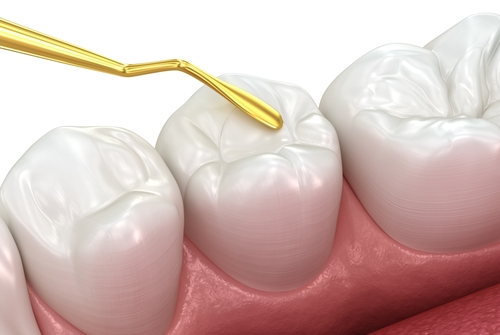
New permanent teeth
Sealants can help protect the chewing grooves of newly erupted permanent molars when the teeth are ready for placement.
Your dentist checks eruption and the tooth surface first.

Individual risk
An adult with vulnerable back-tooth grooves may also be a candidate after assessment of the tooth and decay risk.
Age alone does not decide whether a sealant is useful.
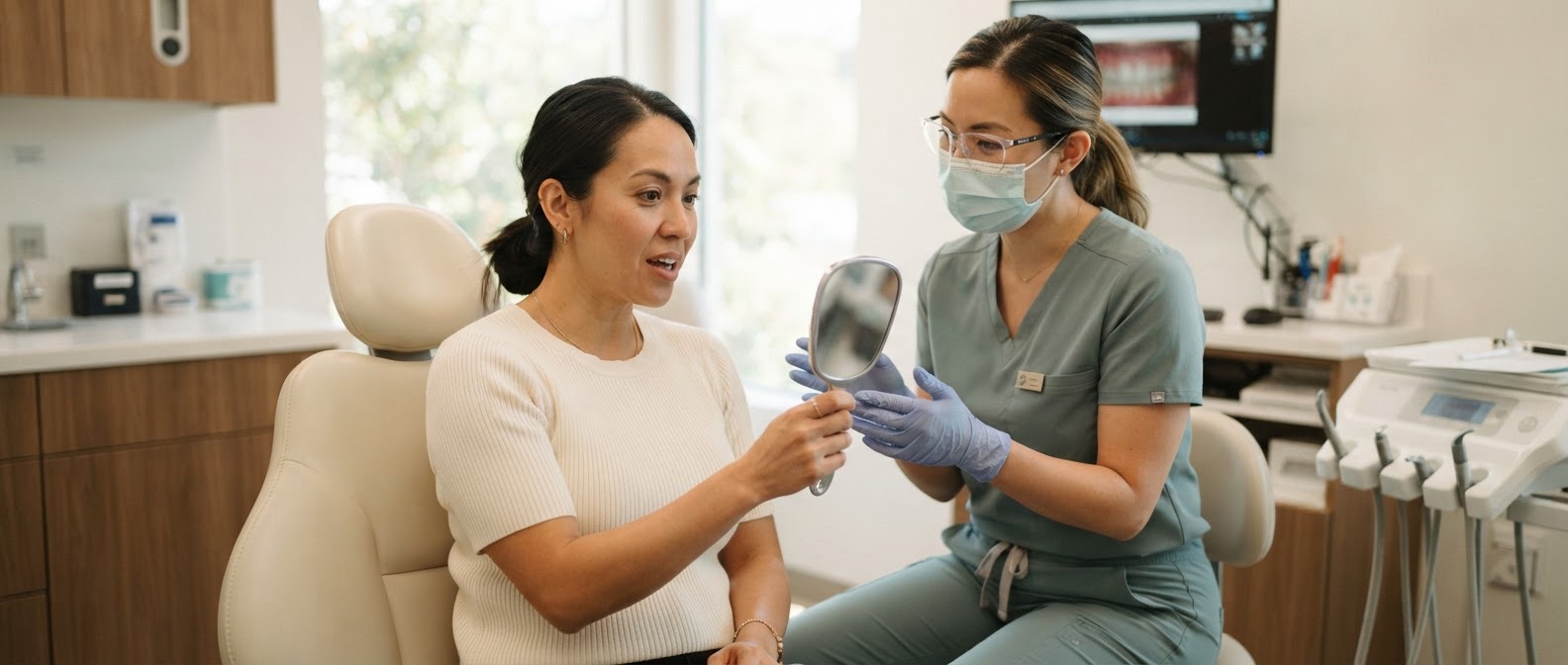
Ongoing protection
Sealants are checked at dental visits for wear or loss. Reapplication may be considered if a protected surface needs attention.
Sealants are not a permanent, maintenance-free barrier.
Your dental health, goals and the findings of your examination help determine which approach is appropriate.
Before & after
Examples of care from our practice; treatment varies by case.
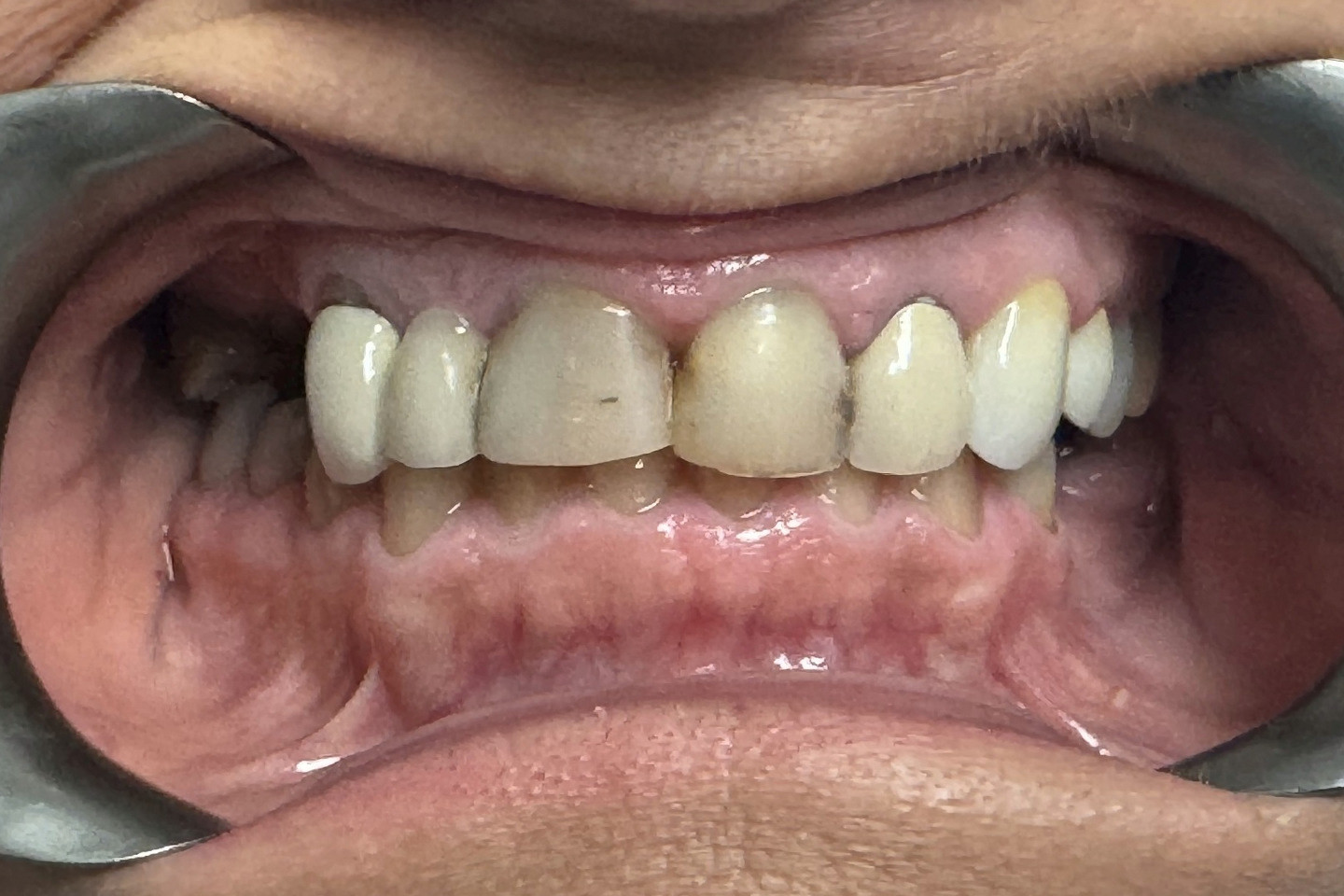
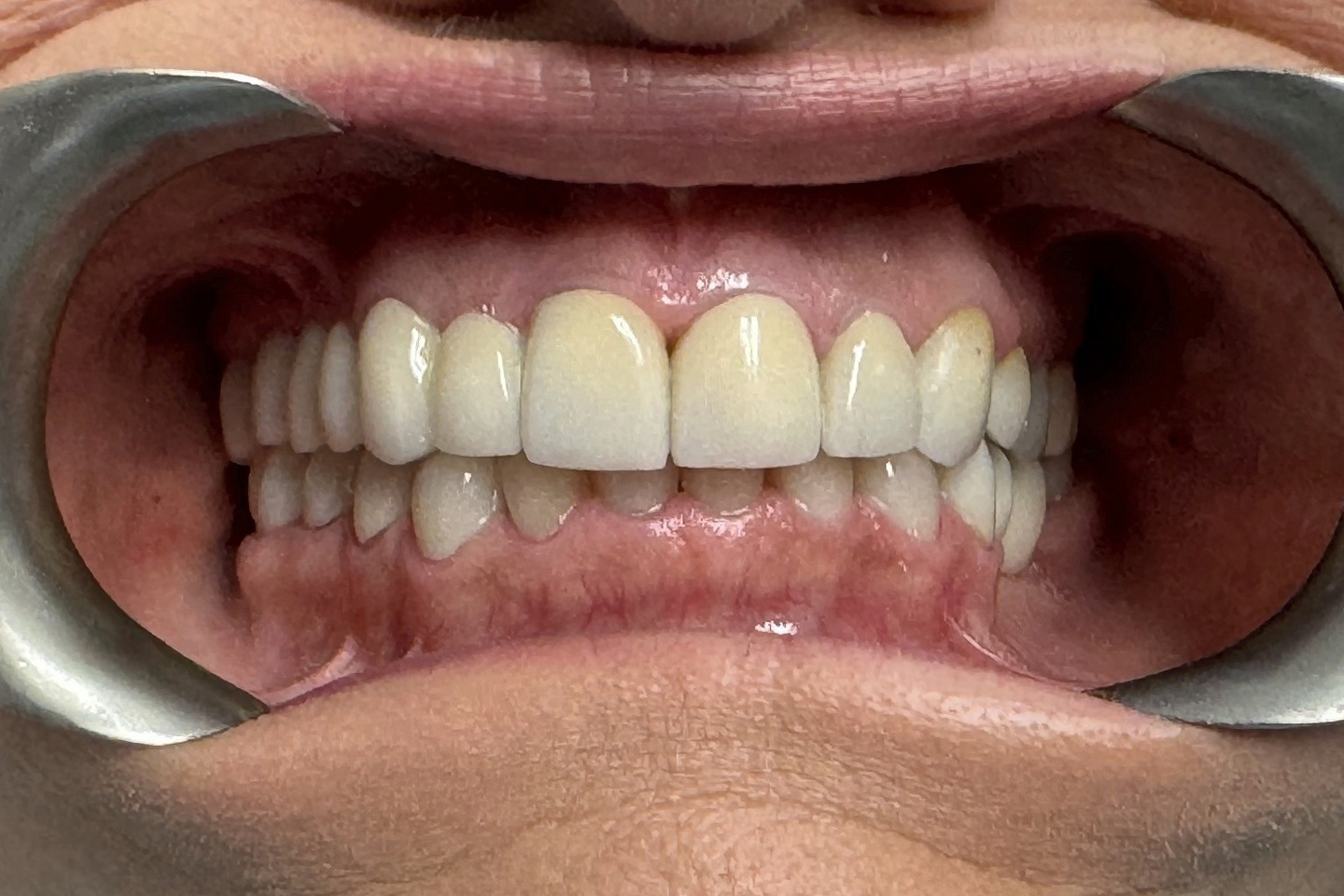
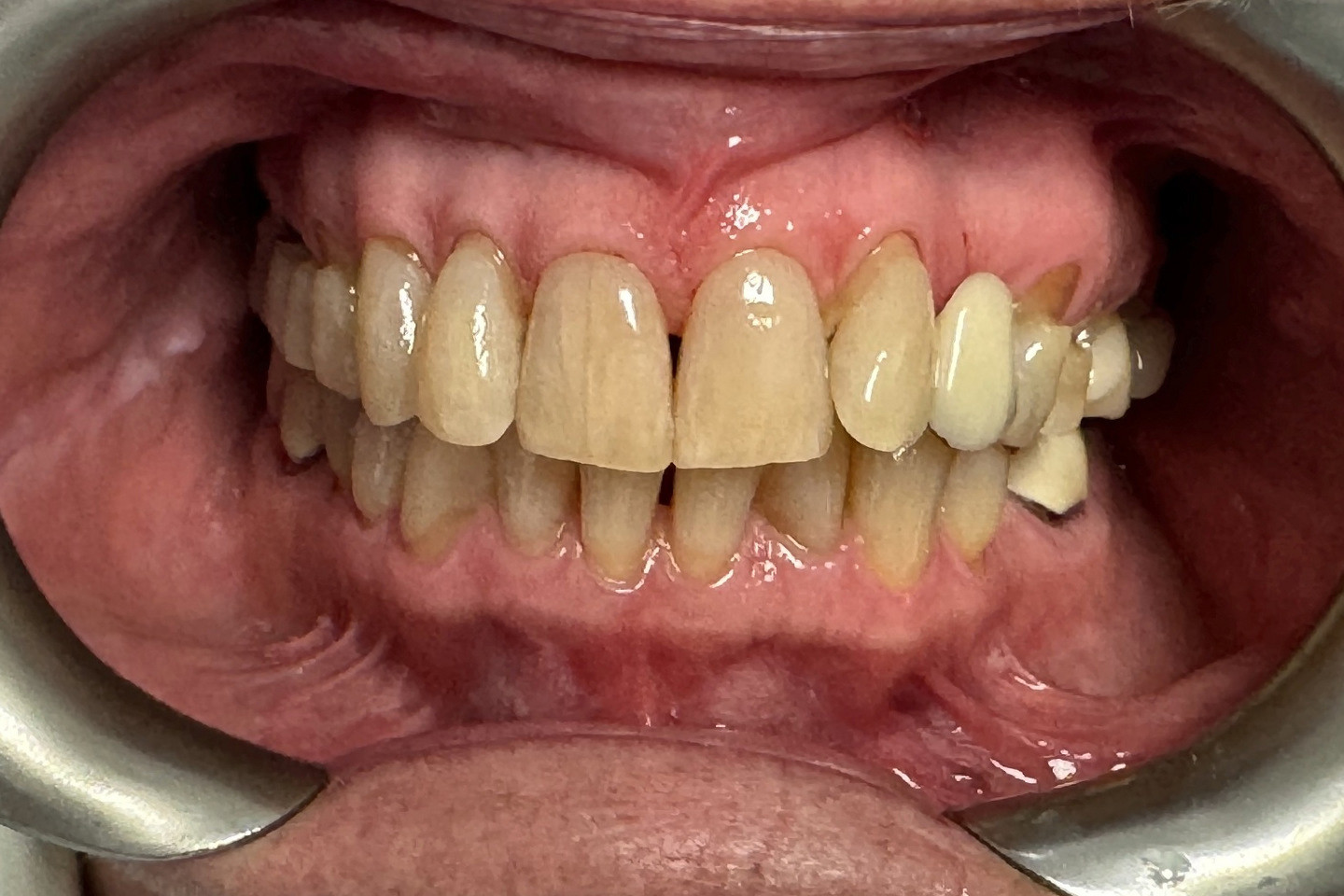
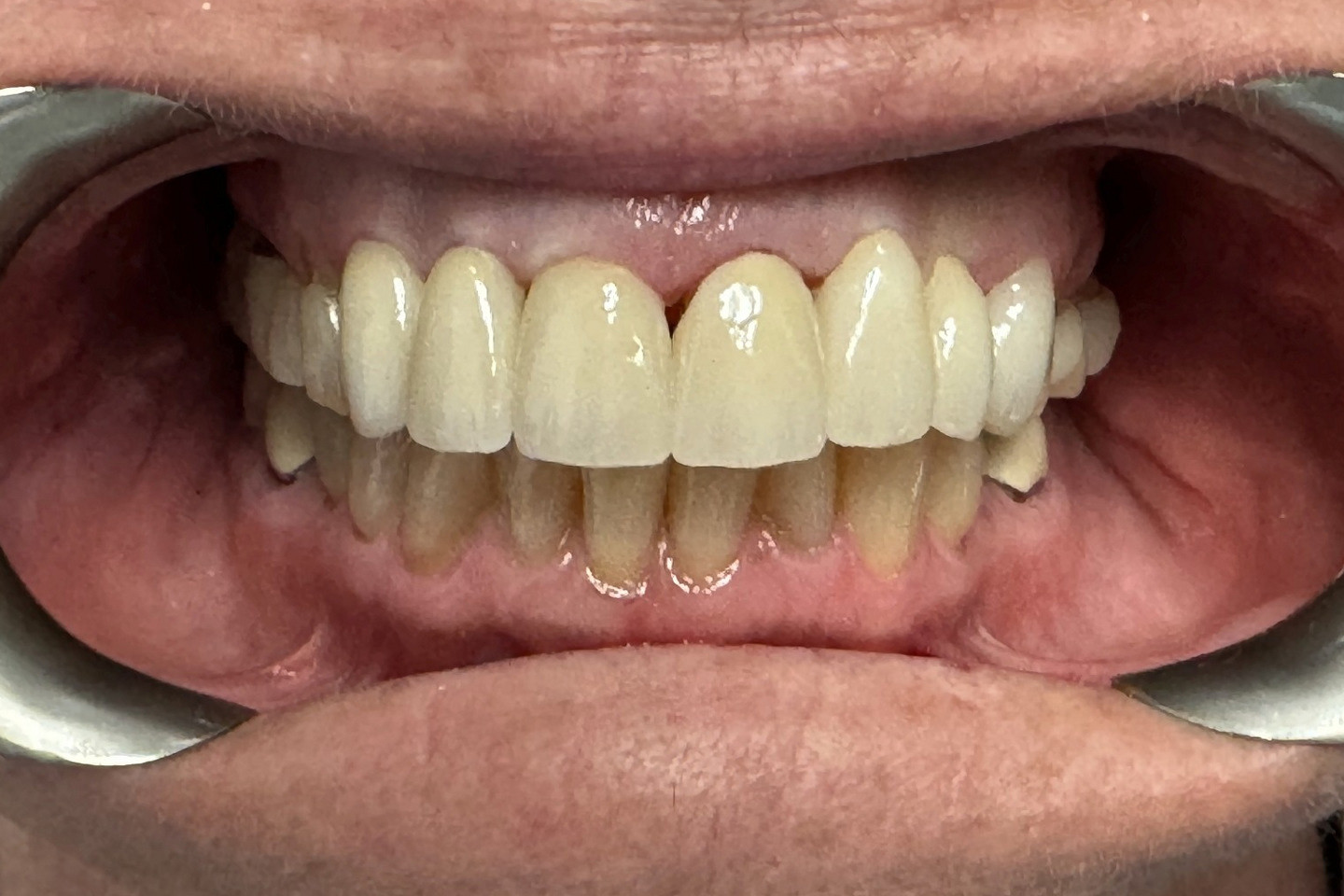
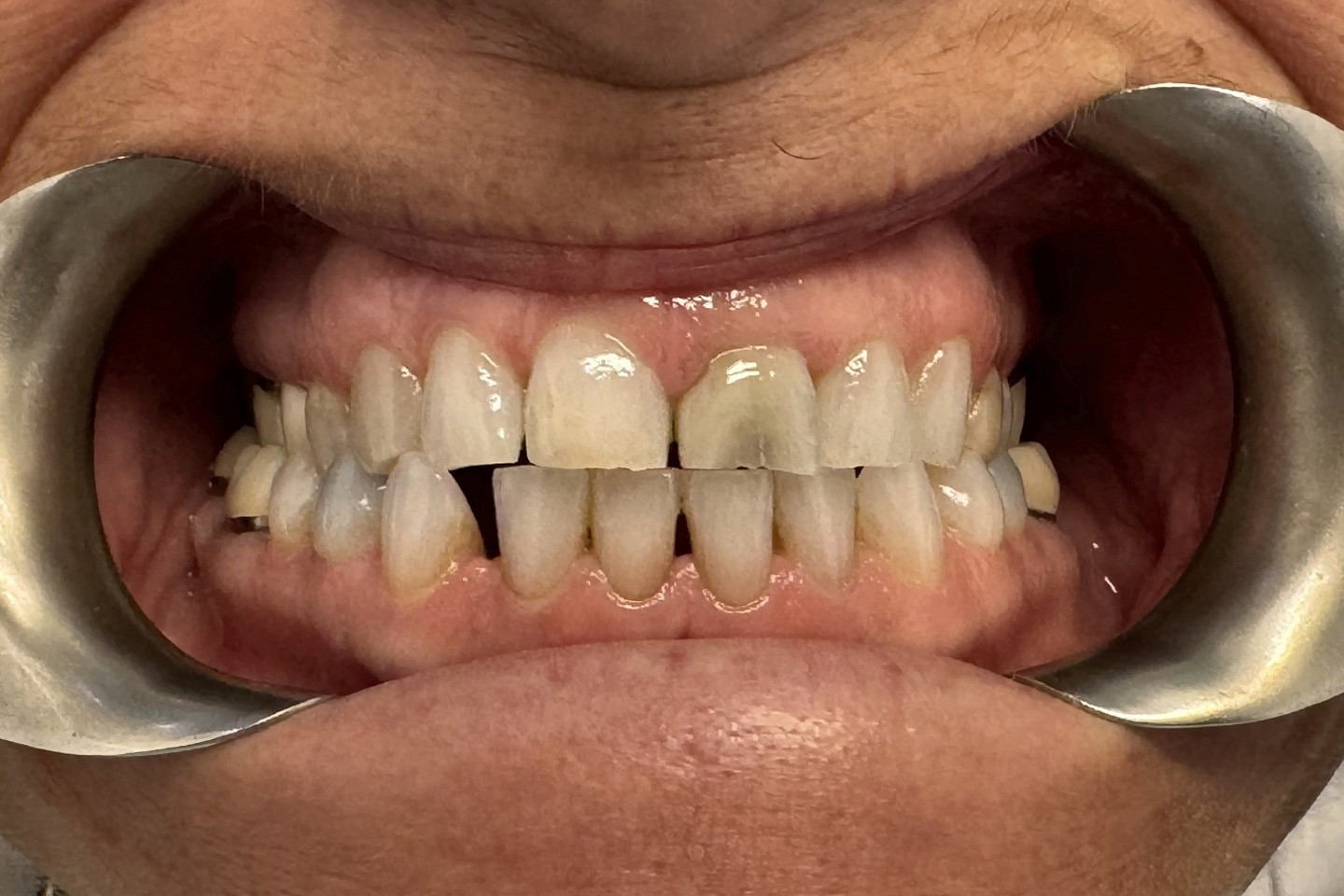
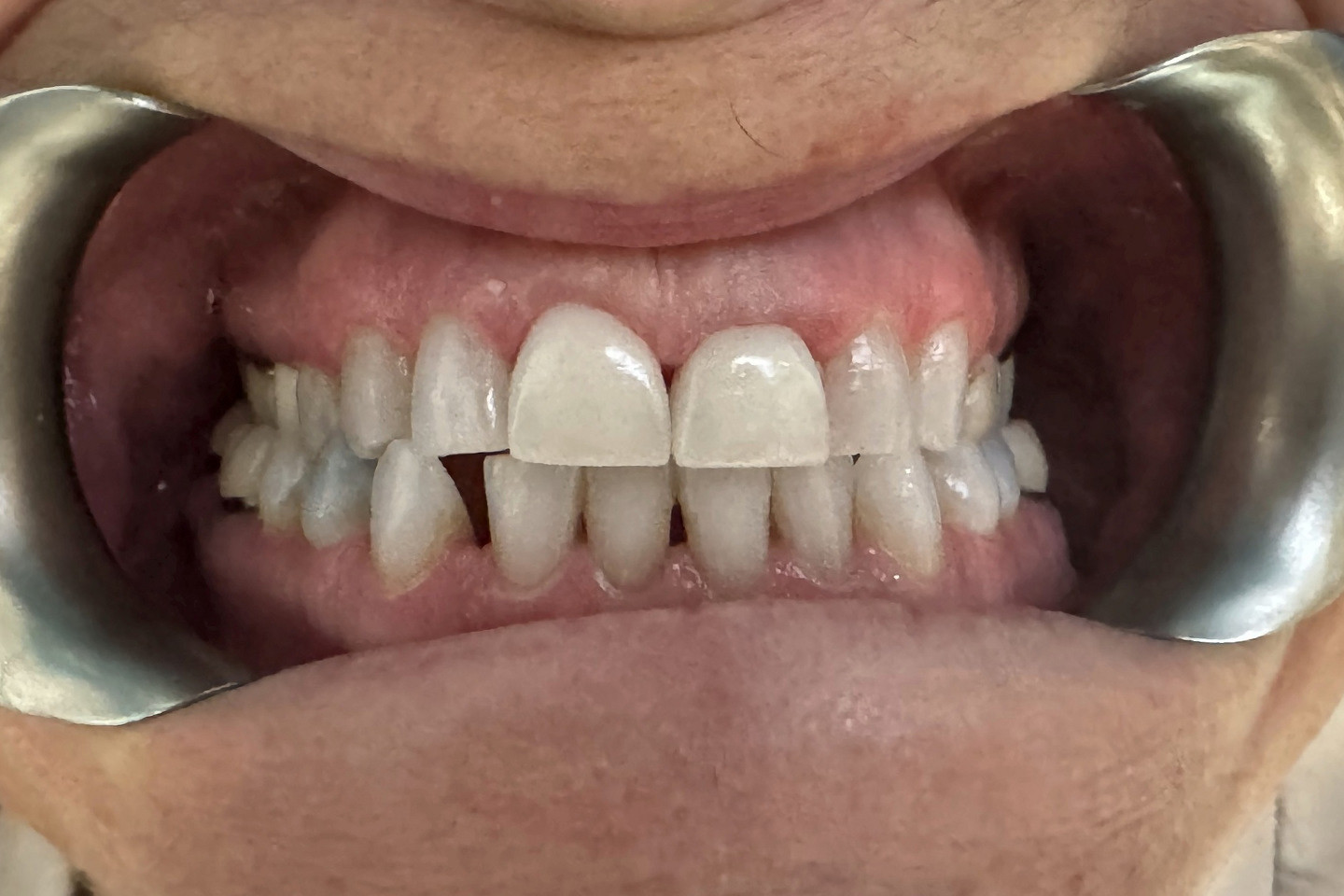
Photos of Green California Dental Group patients are shared with permission. Individual results vary and depend on your examination and treatment plan.
Your next steps
Your dentist will explain the recommended steps and adapt the plan to your needs.
The dentist checks the chewing grooves and looks for decay to determine whether a sealant or another form of care is appropriate.
The tooth is cleaned, dried and prepared for bonding. Sealant material is applied to the grooves and hardened according to the product used.
The sealant and bite are checked. Keep up daily oral hygiene and recommended visits so the coating can be reviewed over time.
Meet your dentists
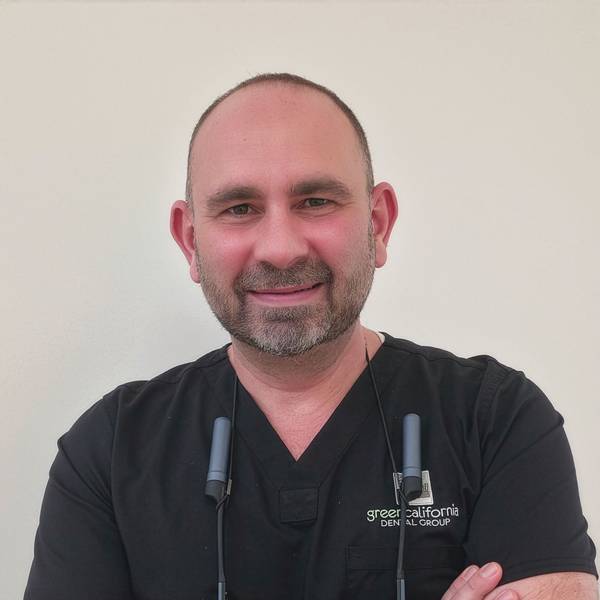
General dentist
Meet Dr. Varand Kerikorian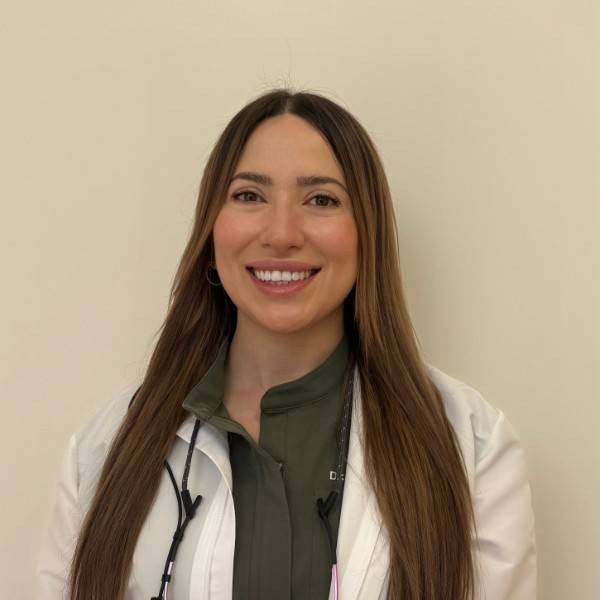
General dentist
Meet Dr. Lina SchultzListening, communication & the experience of care

I have nothing but good things to say about the staff, everyone is amazing with great customer service skills, very professional and helpful! The doctor, just so kind, caring and…
Doctors are brilliant! Knowledgeable and professional. Hygienist is very gentle and compassionate, she used a numbing gel before my cleaning ( I have very sensitive teeth) No Pain! Everyone in…
Clarity before you commit
Two ways to plan your care. Start with an assessment and a clear estimate.
Your benefits
Ask your office to verify your specific plan and benefits. Coverage depends on your plan and the proposed treatment.




Your own payment
Self-pay is available if you are paying without insurance or your treatment is not covered.
Discuss the proposed treatment, what the estimate includes and payment arrangements with your office before treatment.
A little clarity
Good decisions start with questions. These answers are a starting point—not personal dental advice.
No. They are often used for children’s permanent molars, but selected adult teeth can benefit too. Your dentist considers the grooves, existing dental work and decay risk before recommending them.
Contact your officeIn selected cases, a sealant can help control very early decay that has not formed a hole. A tooth with a cavity may need different treatment. Examination is needed to tell the difference; a sealant should not be used to hide an untreated problem.
Contact your officeTypical placement does not involve drilling a cavity or removing tooth structure for a filling. The surface is cleaned and prepared before the coating is placed. If decay needs separate treatment, your dentist will explain that before proceeding.
Contact your officeThey may remain in place for several years, but wear and retention vary. The dentist checks them during recommended dental visits and can advise on reapplication. Continue brushing and cleaning between teeth even when sealants are intact.
Contact your officeYour next step, close to home
Call the Burbank or Glassell Park office to ask about sealants. The dentist can assess which teeth, if any, may benefit and explain how they would fit into your preventive care.

YOUR BURBANK OFFICE

YOUR EAGLE ROCK OFFICE
Call your chosen office to discuss service availability and the next step. A consultation may be for assessment and planning—not treatment the same day.
Request a consultation. Fields marked * are required.