
Pain or recurring gum problems
Swelling, soreness, trapped food or repeated inflammation around a wisdom tooth can be reasons to seek an assessment.

Wisdom teeth do not always need removal. An examination helps determine whether they are healthy and cleanable, causing problems, or putting nearby teeth at risk—and whether monitoring or treatment makes sense.
 Your goals. Your dental health. A plan discussed together.
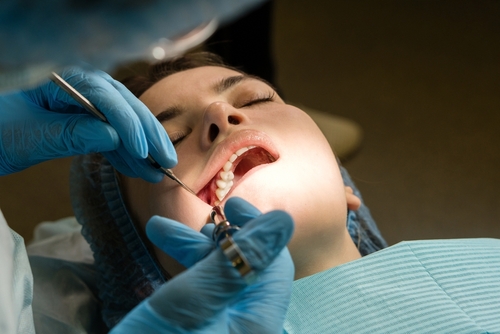
Before you decide
Swelling, soreness, trapped food or repeated inflammation around a wisdom tooth can be reasons to seek an assessment.

An impacted or partially erupted tooth may be difficult to clean. Imaging helps show its position and relationship to nearby structures.

We consider the tooth’s health, your age and medical history, and the risks of leaving it versus removing it. Impaction alone does not answer every question.
An examination helps explain what is appropriate for you, the alternatives and the limitations.
Explore your options
Understand the approaches that may fit each wisdom tooth. The appropriate approach follows the position and health of each tooth. Removal may be straightforward or surgical; in other cases, continued monitoring is reasonable.
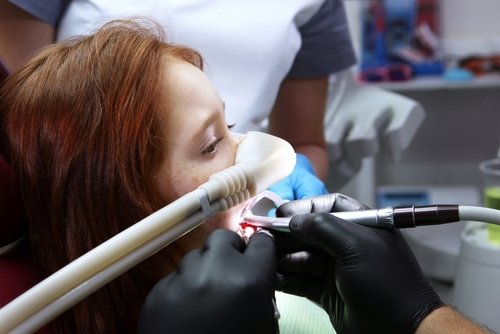
Accessible third molars
A wisdom tooth that has come through may be removed when decay, disease or another assessed problem makes treatment appropriate.
The root shape and access still affect the procedure.
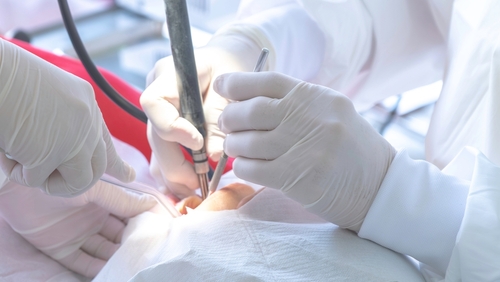
Teeth below the gum
A tooth partly or fully beneath the gum may require an incision and division into smaller pieces for removal.
Nearby nerves and sinuses are considered during planning.
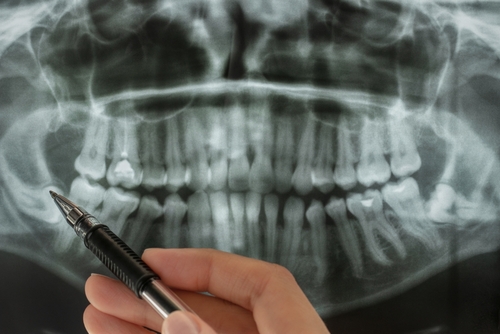
When removal is not indicated
A wisdom tooth that remains in place needs ongoing review and a practical cleaning plan. New symptoms should be reassessed.
Monitoring is an active decision, not a guarantee against future problems.
Your dental health, goals and the findings of your examination help determine which approach is appropriate.
Before & after
Examples of care from our practice; treatment varies by case.
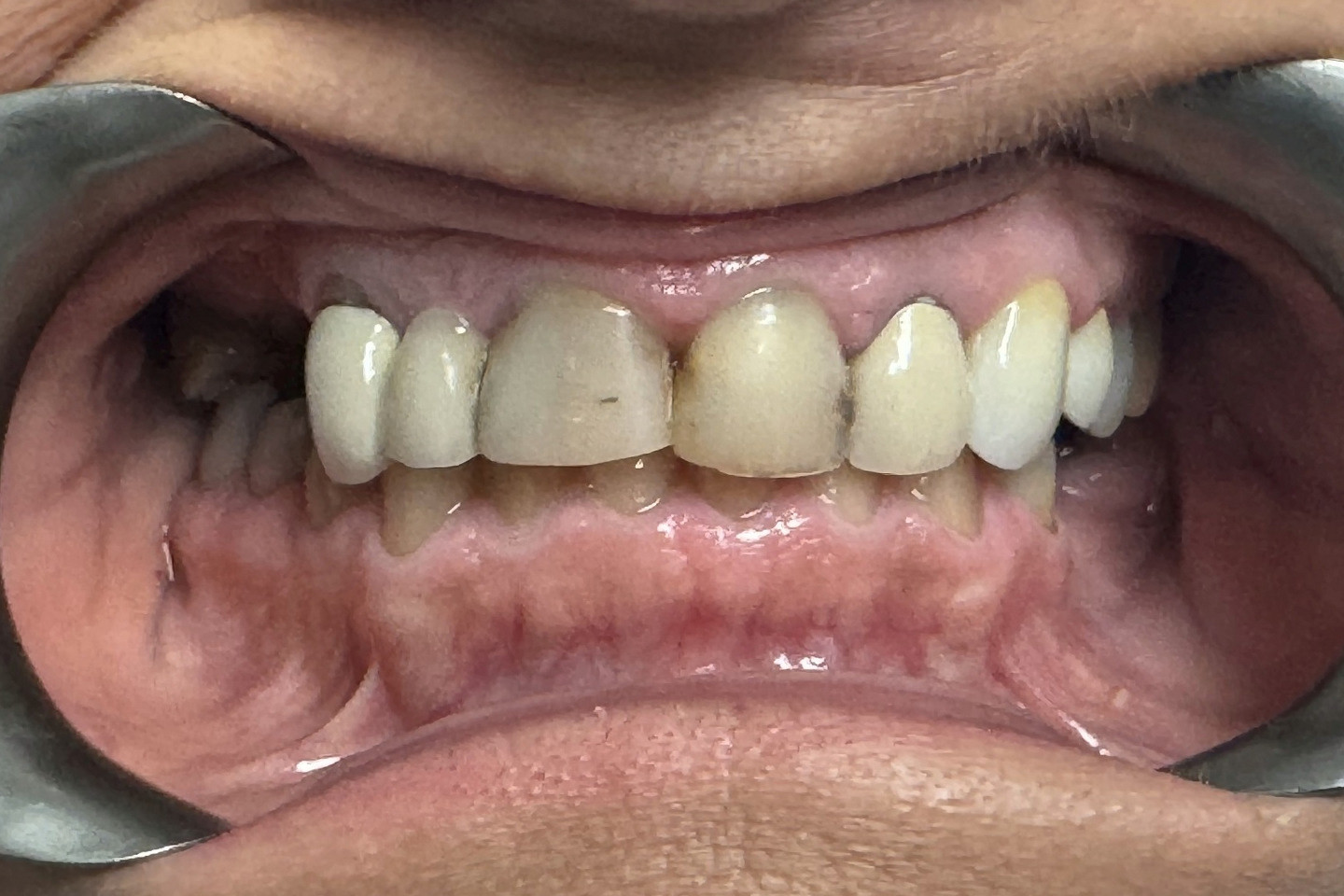
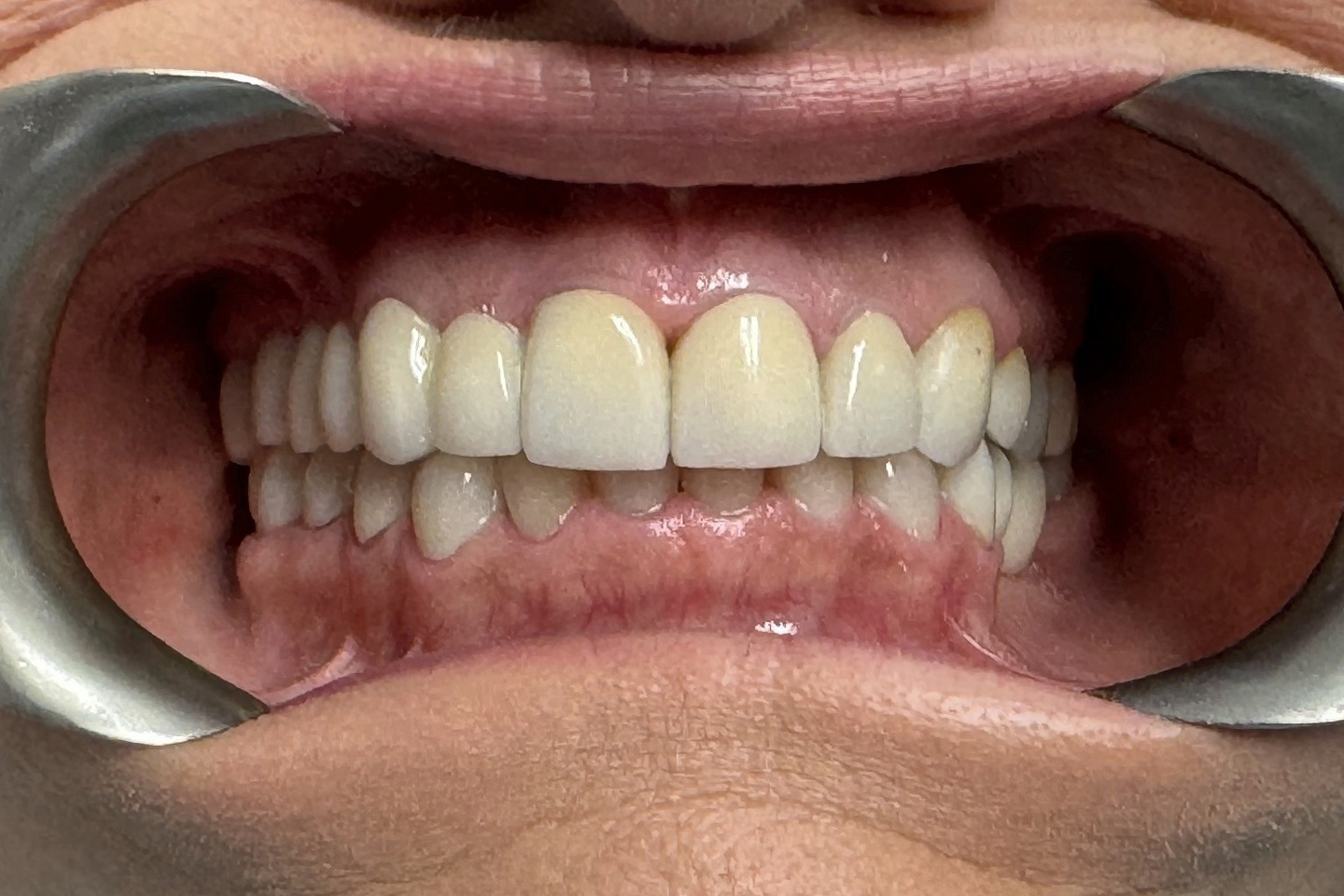
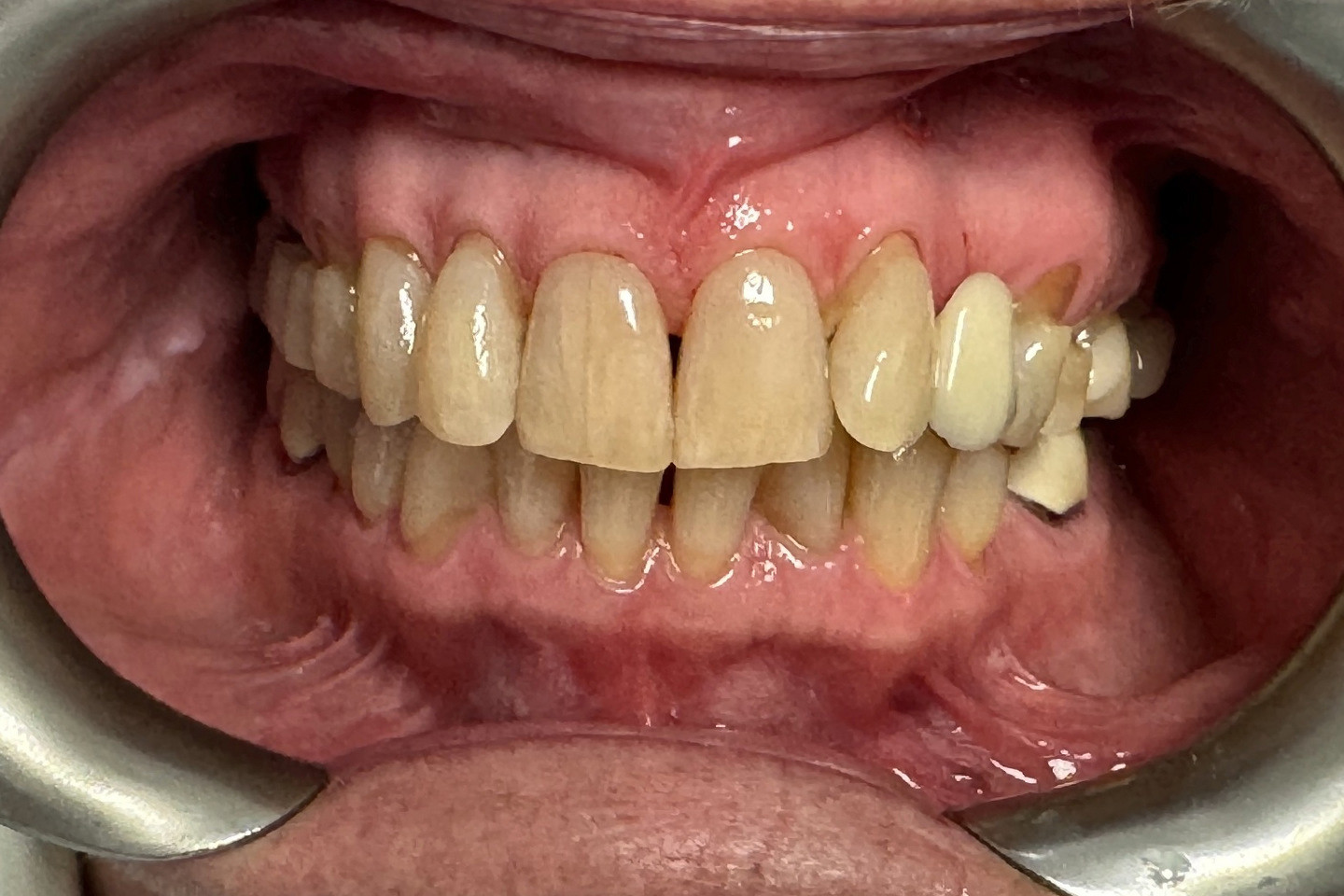
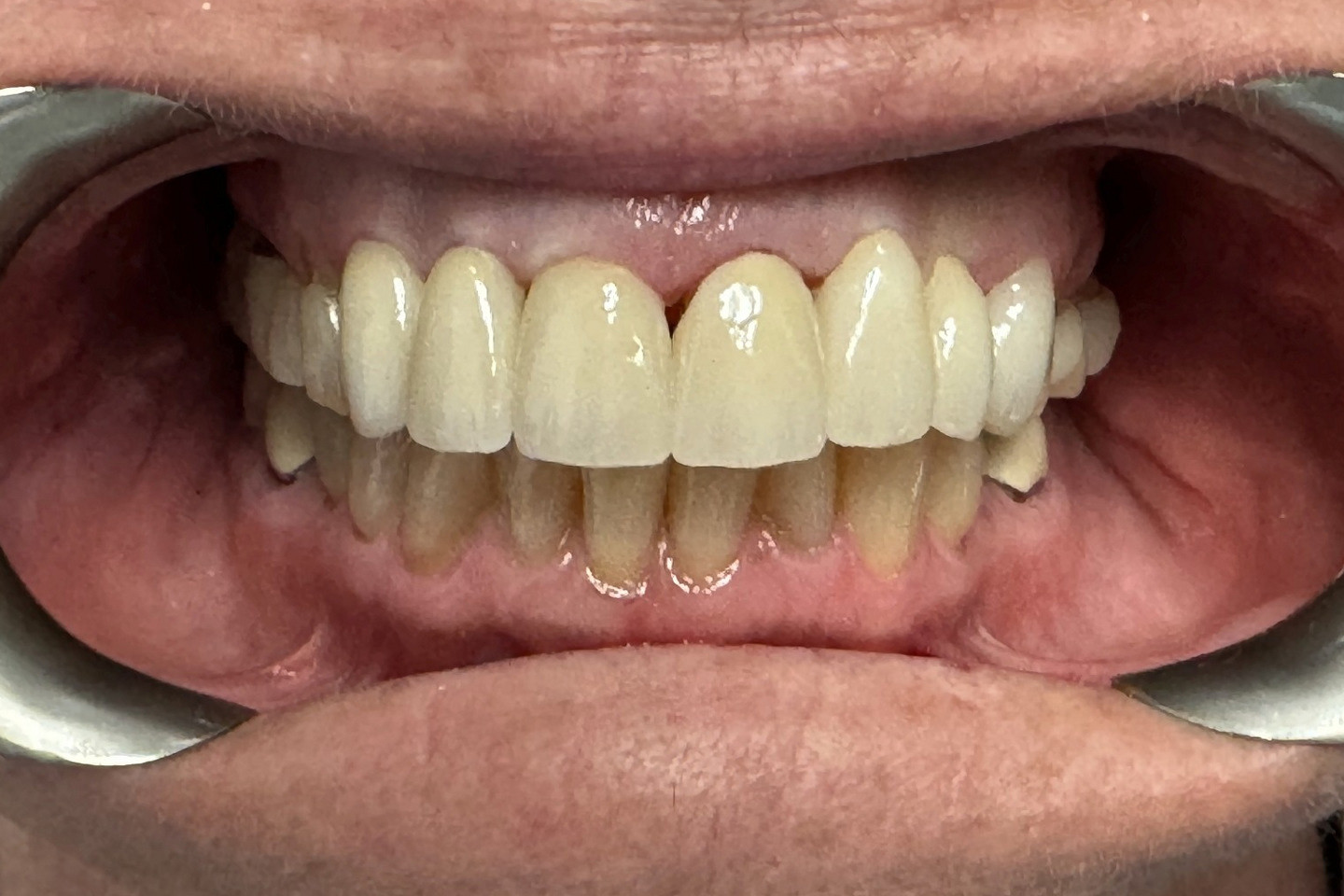
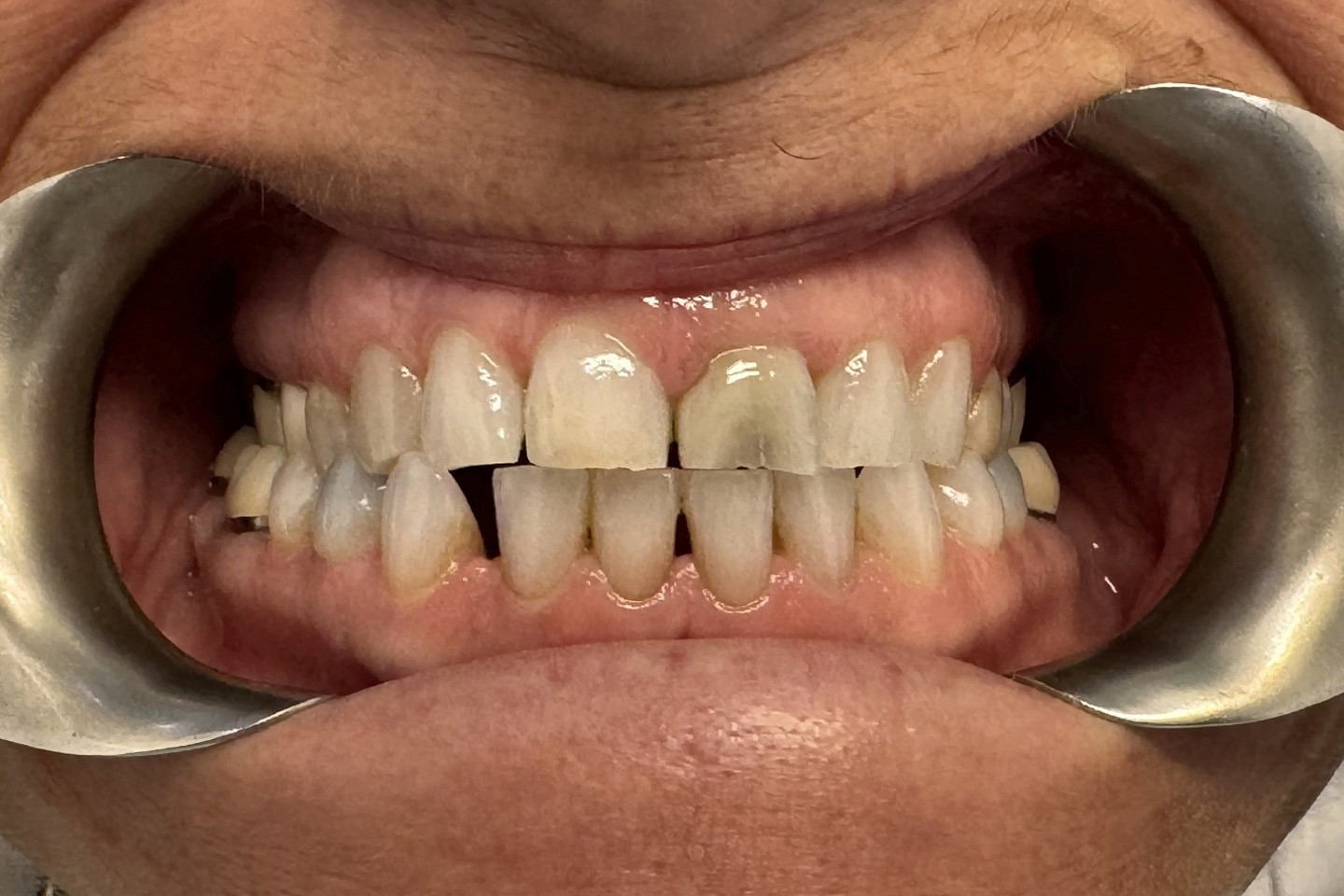
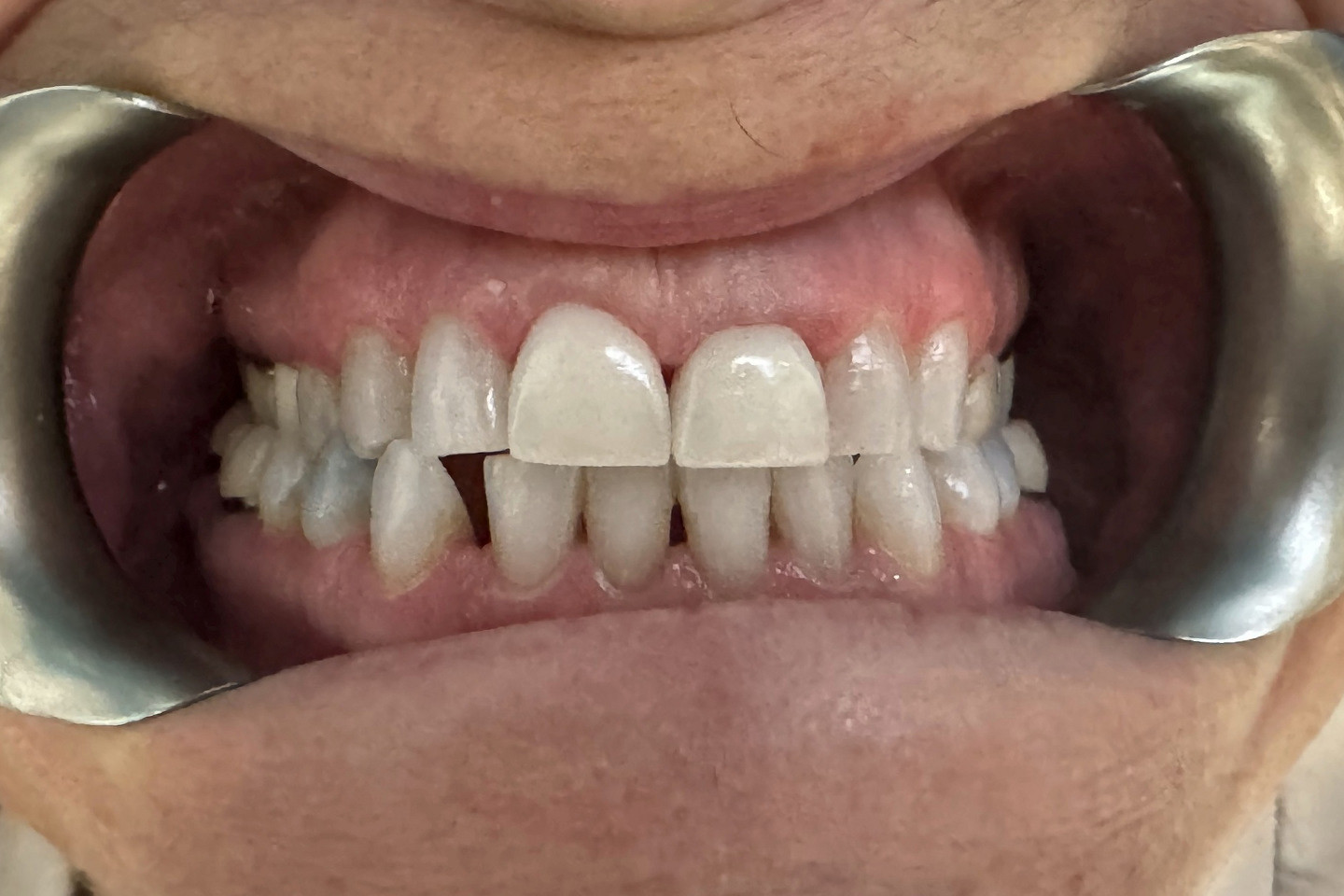
Photos of Green California Dental Group patients are shared with permission. Individual results vary and depend on your examination and treatment plan.
Your next steps
Your treatment plan includes preparation, the proposed care and a review of what happens afterward.
We review symptoms and imaging to understand tooth position, disease and nearby structures, then explain the recommendation for each wisdom tooth.
If removal is appropriate, discuss the technique, risks and anesthetic plan, then follow your preparation instructions. The tooth is removed using the agreed approach, with stitches if needed.
Expect individualized advice on food, cleaning, pain management and activity. Report persistent bleeding, worsening symptoms, fever or new numbness to the treating clinician.
Meet your dentists
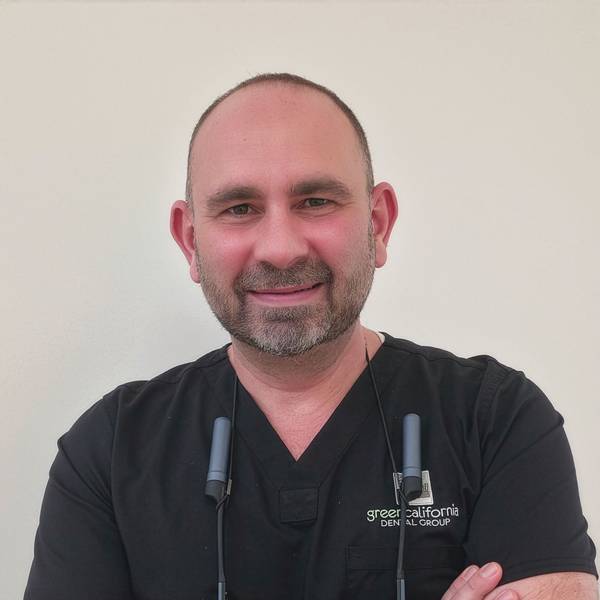
General dentist
Meet Dr. Varand Kerikorian
General dentist
Meet Dr. Lina SchultzListening, communication & the experience of care

I have nothing but good things to say about the staff, everyone is amazing with great customer service skills, very professional and helpful! The doctor, just so kind, caring and…
Doctors are brilliant! Knowledgeable and professional. Hygienist is very gentle and compassionate, she used a numbing gel before my cleaning ( I have very sensitive teeth) No Pain! Everyone in…
Clarity before you commit
Two ways to plan your care. Start with an assessment and a clear estimate.
Your benefits
Ask your office to verify your specific plan and benefits. Coverage depends on your plan and the proposed treatment.




Your own payment
Self-pay is available if you are paying without insurance or your treatment is not covered.
Discuss the proposed treatment, what the estimate includes and payment arrangements with your office before treatment.
A little clarity
Good decisions start with questions. These answers are a starting point—not personal dental advice.
Not necessarily. Each tooth is assessed for disease, function, cleanability and likely problems. Your dentist explains whether monitoring or removal is appropriate for one tooth or several.
Contact your officeAn impacted tooth cannot fully emerge into a normal position because it is blocked by gum, bone or another tooth. The examination and imaging—not symptoms alone—show its position and help guide care.
Contact your officeNo age makes removal automatically necessary. Tooth development, symptoms, medical history and the risks of treatment or continued monitoring all matter. If removal is recommended, ask why that timing suits your situation.
Contact your officeSoreness, swelling and jaw stiffness can occur, and recovery varies with the procedure. Risks include infection, dry socket and, for some lower teeth, nerve-related changes in sensation. Follow your written instructions and contact the treating office about symptoms that persist or worsen.
Contact your officeYour next step, close to home
Choose Burbank or Glassell Park for a wisdom tooth assessment. Tell the office about swelling or recurring pain when you call. Difficulty breathing or swallowing, extensive mouth swelling, marked difficulty opening your mouth or rapidly spreading swelling needs emergency medical care.
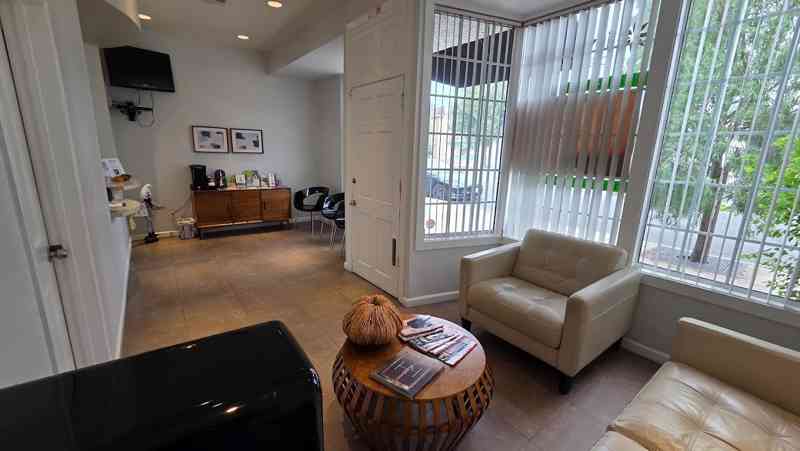
YOUR BURBANK OFFICE

YOUR EAGLE ROCK OFFICE
Call your chosen office to discuss service availability and the next step. A consultation may be for assessment and planning—not treatment the same day.
Request a consultation. Fields marked * are required.