
Whether the tooth can be saved
The amount of remaining tooth, root condition and supporting bone help determine whether restoration is realistic.

A tooth extraction removes a tooth that cannot be kept or has another clear reason for removal. We first assess the tooth and discuss whether repair, root canal treatment or extraction is the appropriate next step.
 Your goals. Your dental health. A plan discussed together.
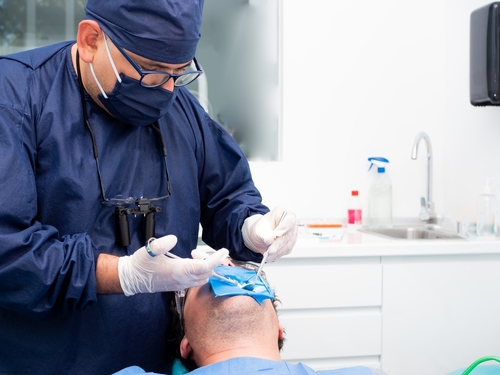
Before you decide
The amount of remaining tooth, root condition and supporting bone help determine whether restoration is realistic.

A visible, accessible tooth may allow a simple extraction. Broken, impacted or difficult-to-reach teeth may need surgical access.

Tell us about medicines, health conditions and any plans to replace the tooth. These can affect preparation, the procedure and healing.
An examination helps explain what is appropriate for you, the alternatives and the limitations.
Explore your options
The procedure and next steps depend on the tooth and the reason for removal. The extraction method depends on access, root shape and surrounding anatomy. Treatment may also include managing an infection and planning for the space afterward; these are parts of care, not separate types of extraction.
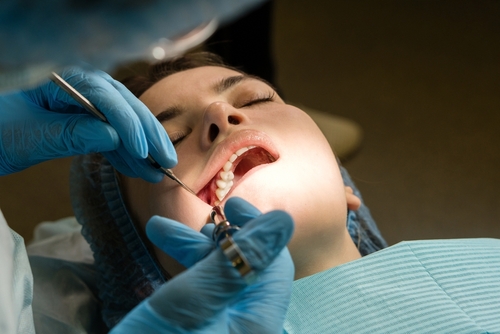
Accessible tooth
When access allows, the dentist loosens and removes the tooth through its socket after numbing the area.
The method is chosen after examining the tooth and roots.
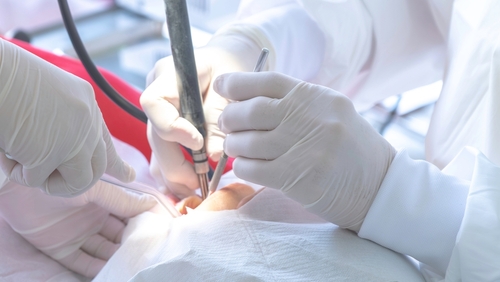
Additional access
An incision, removal of some surrounding bone or dividing the tooth may be needed to reach and remove it.
Complexity and nearby structures affect planning.
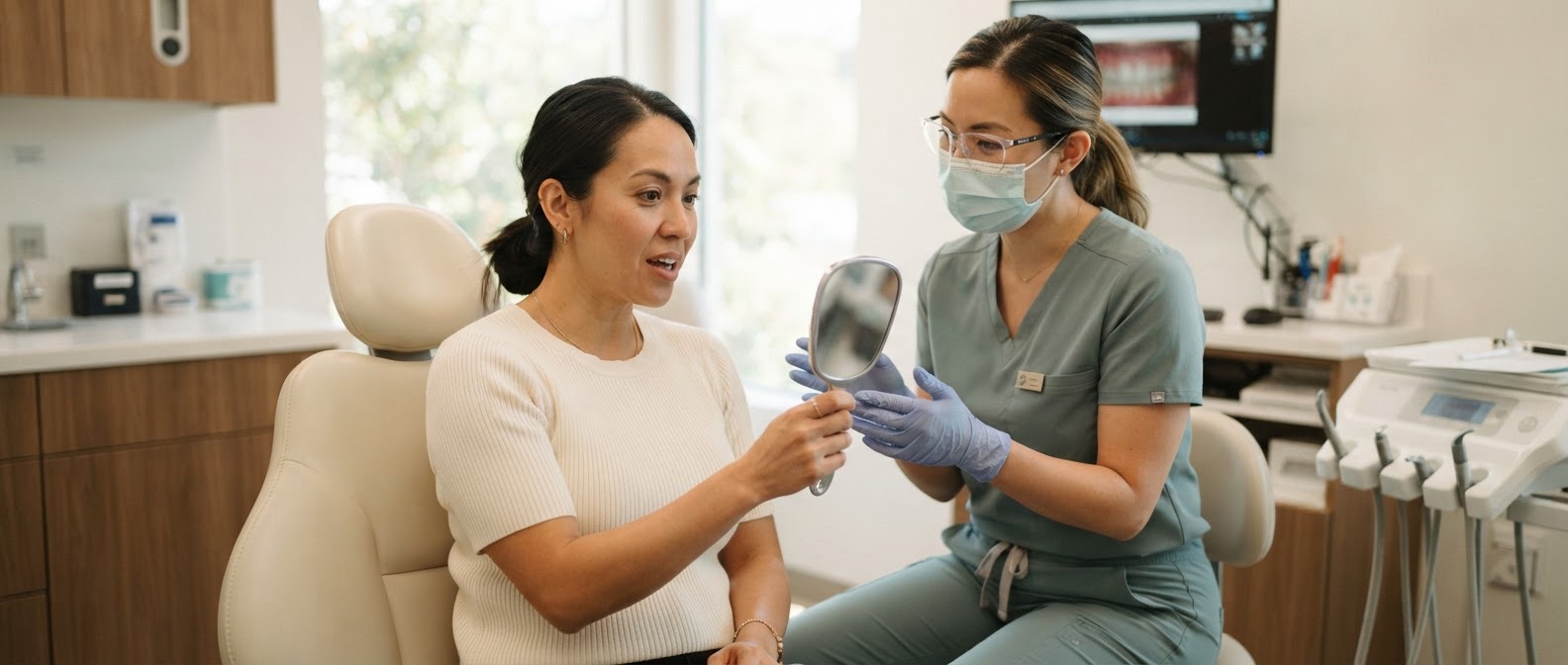
Urgent symptoms
If an infected or severely damaged tooth is not restorable, removal may form part of the treatment for its source of pain or infection.
An abscess does not automatically mean the tooth must be removed.
After removal
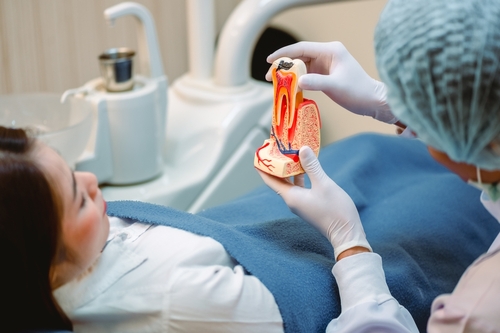
We discuss whether an implant, bridge or partial denture could replace the missing tooth and when to assess the site again.
Not every gap needs the same treatment or timing.
Your dental health, goals and the findings of your examination help determine which approach is appropriate.
Before & after
Examples of care from our practice; treatment varies by case.
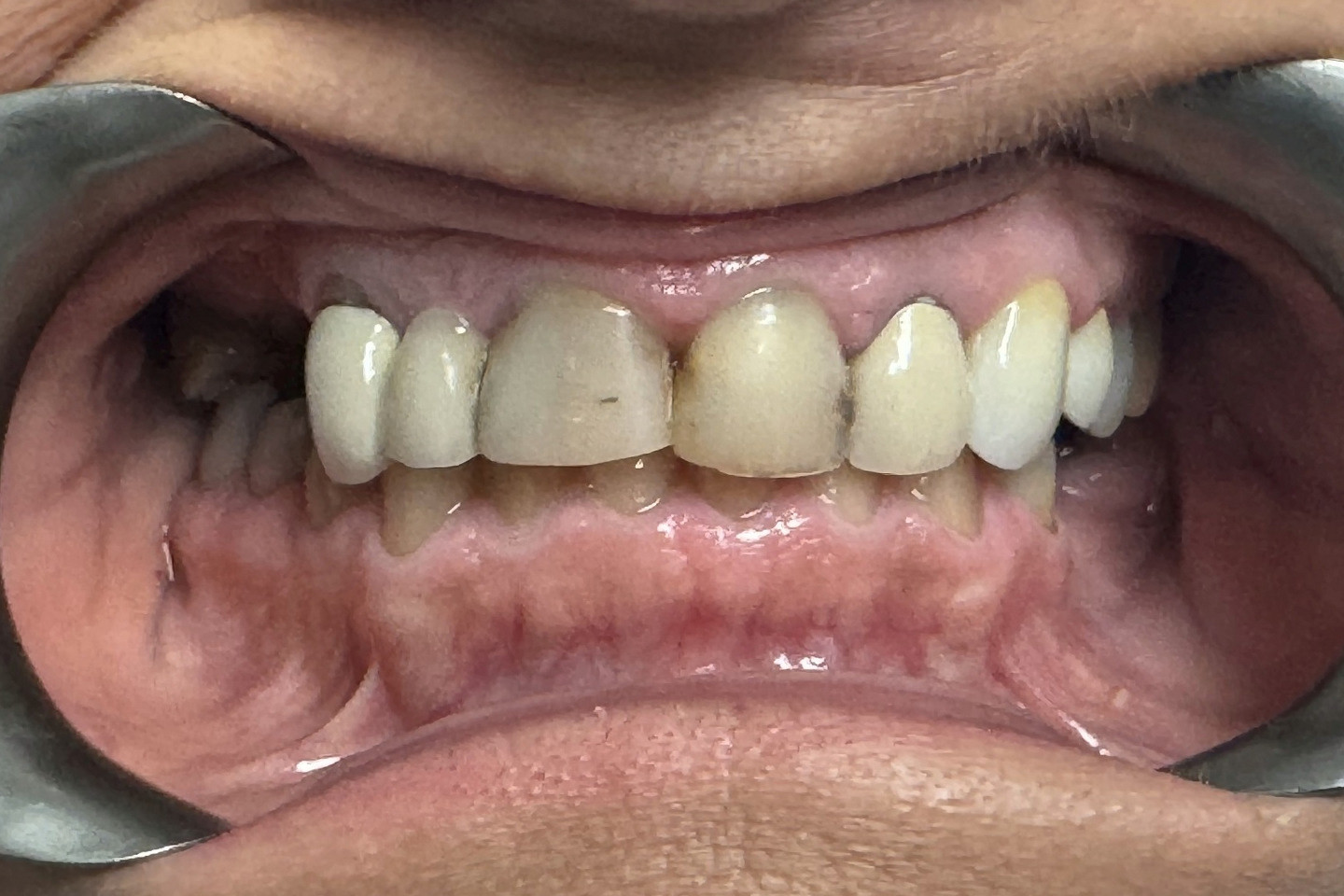
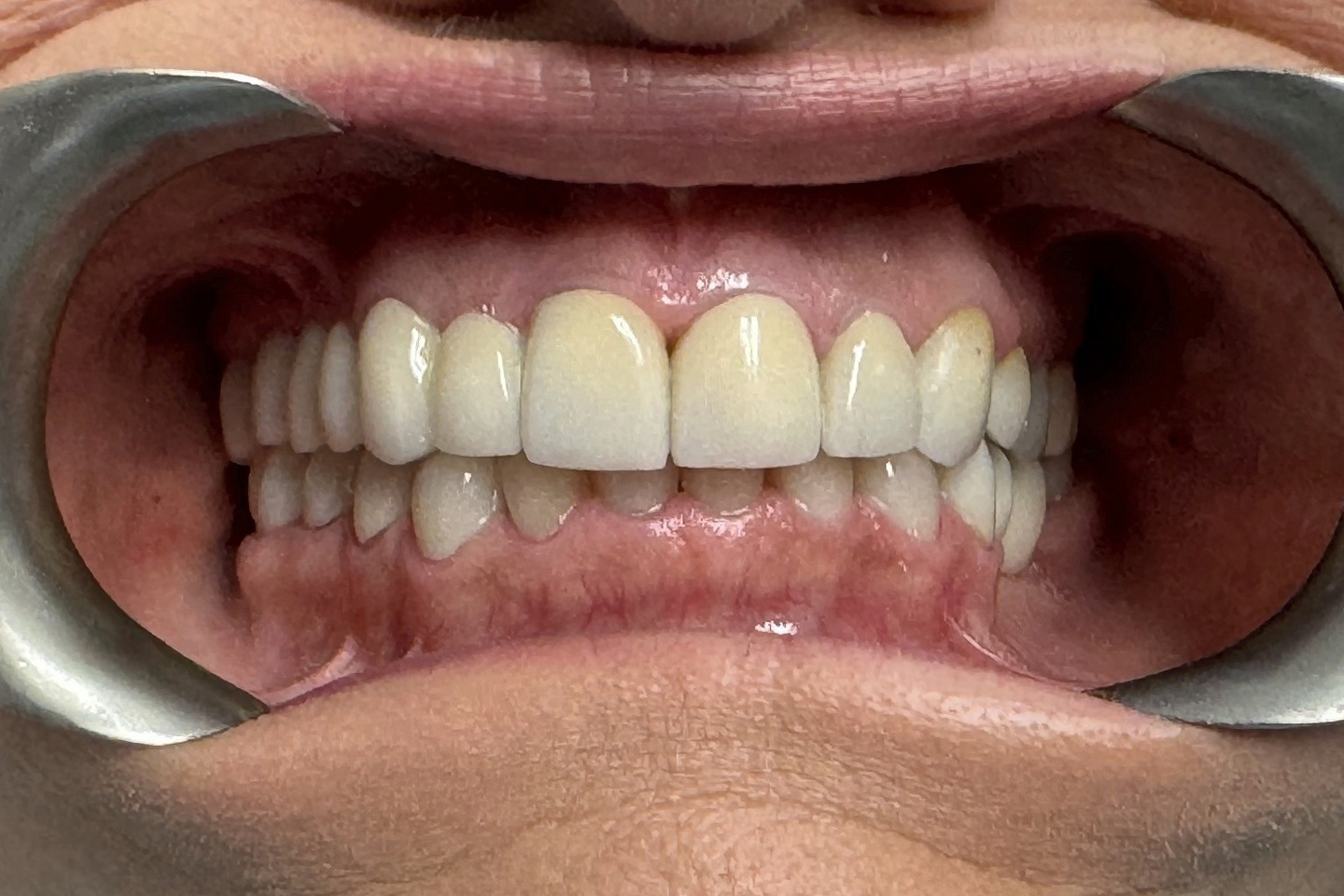
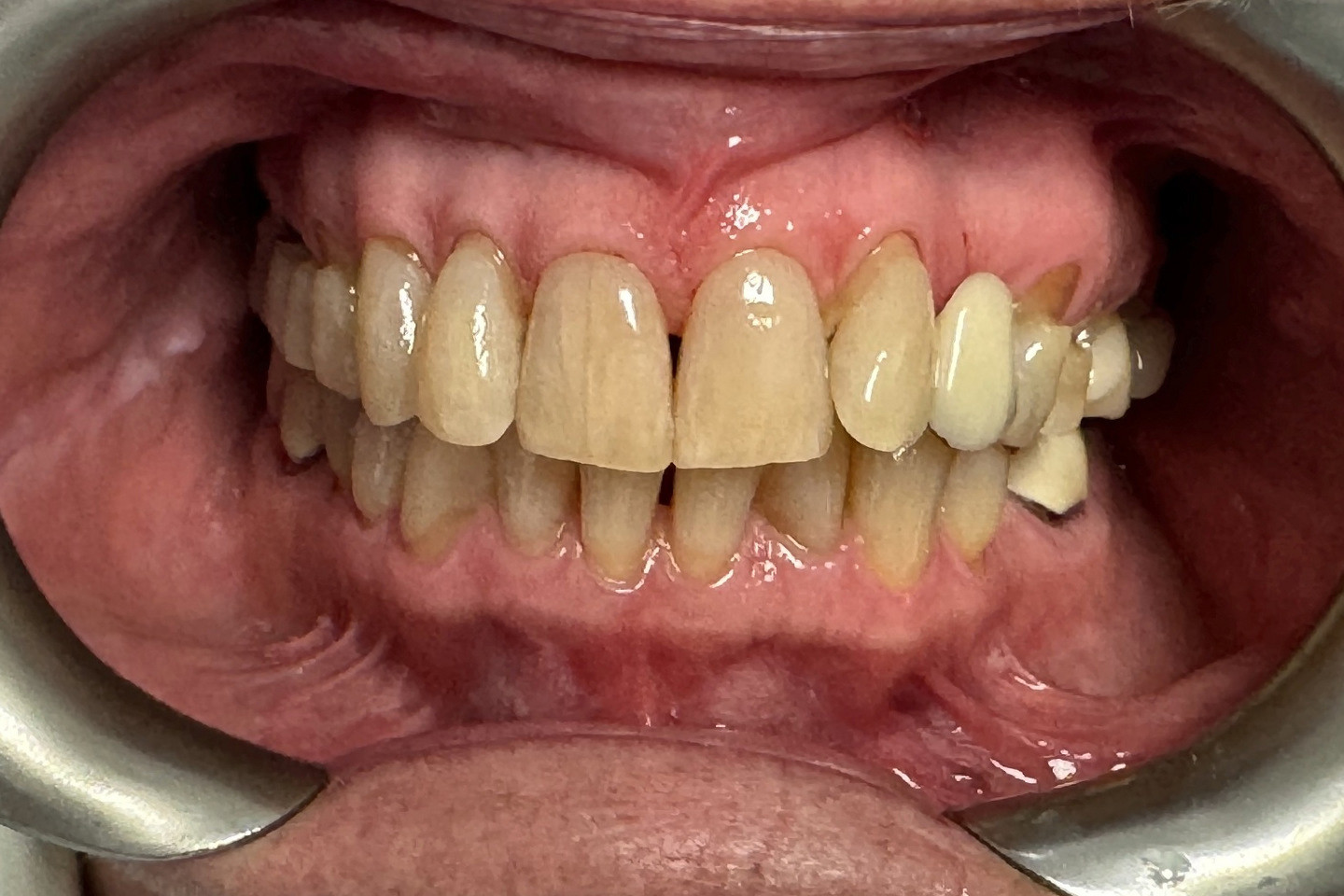
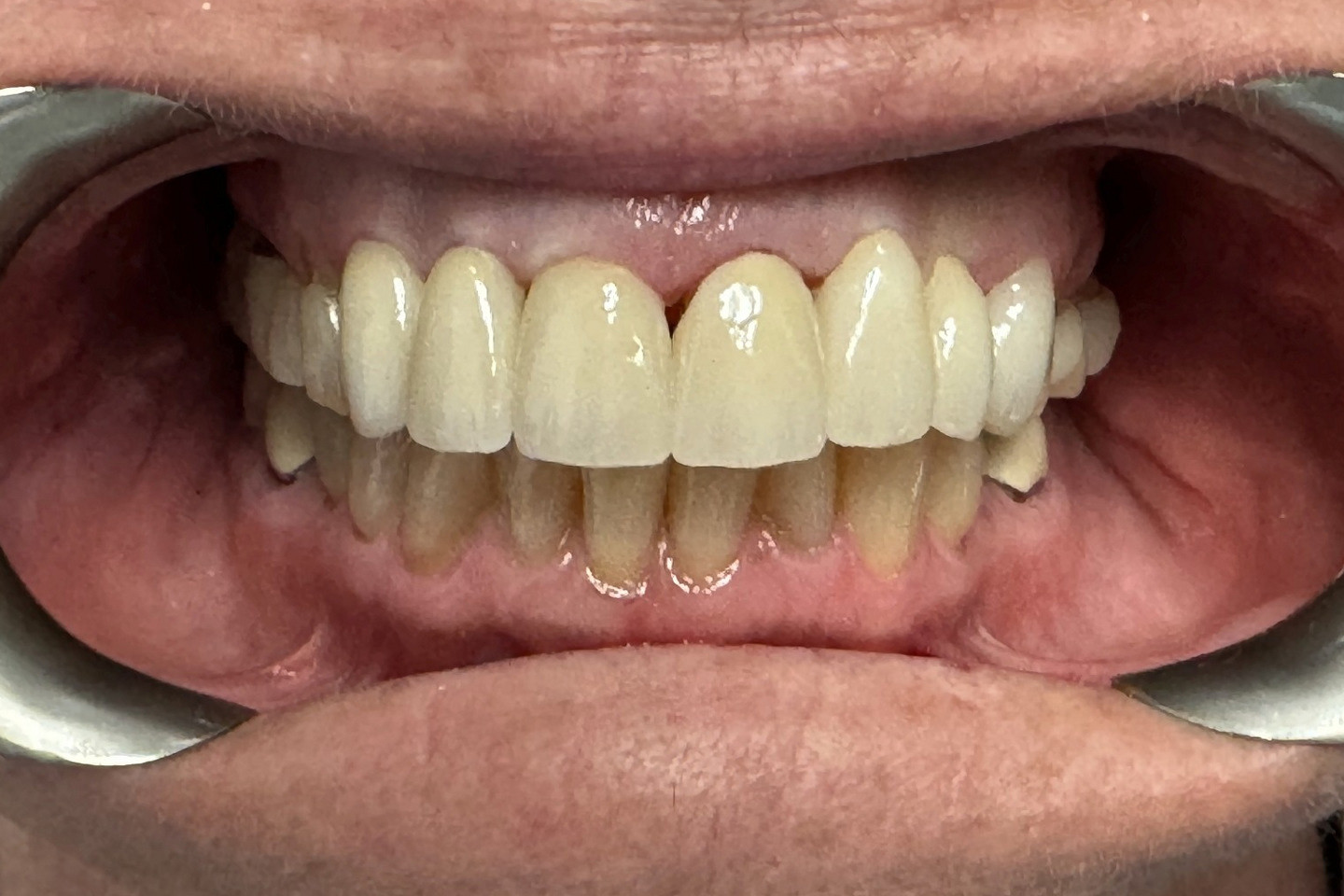
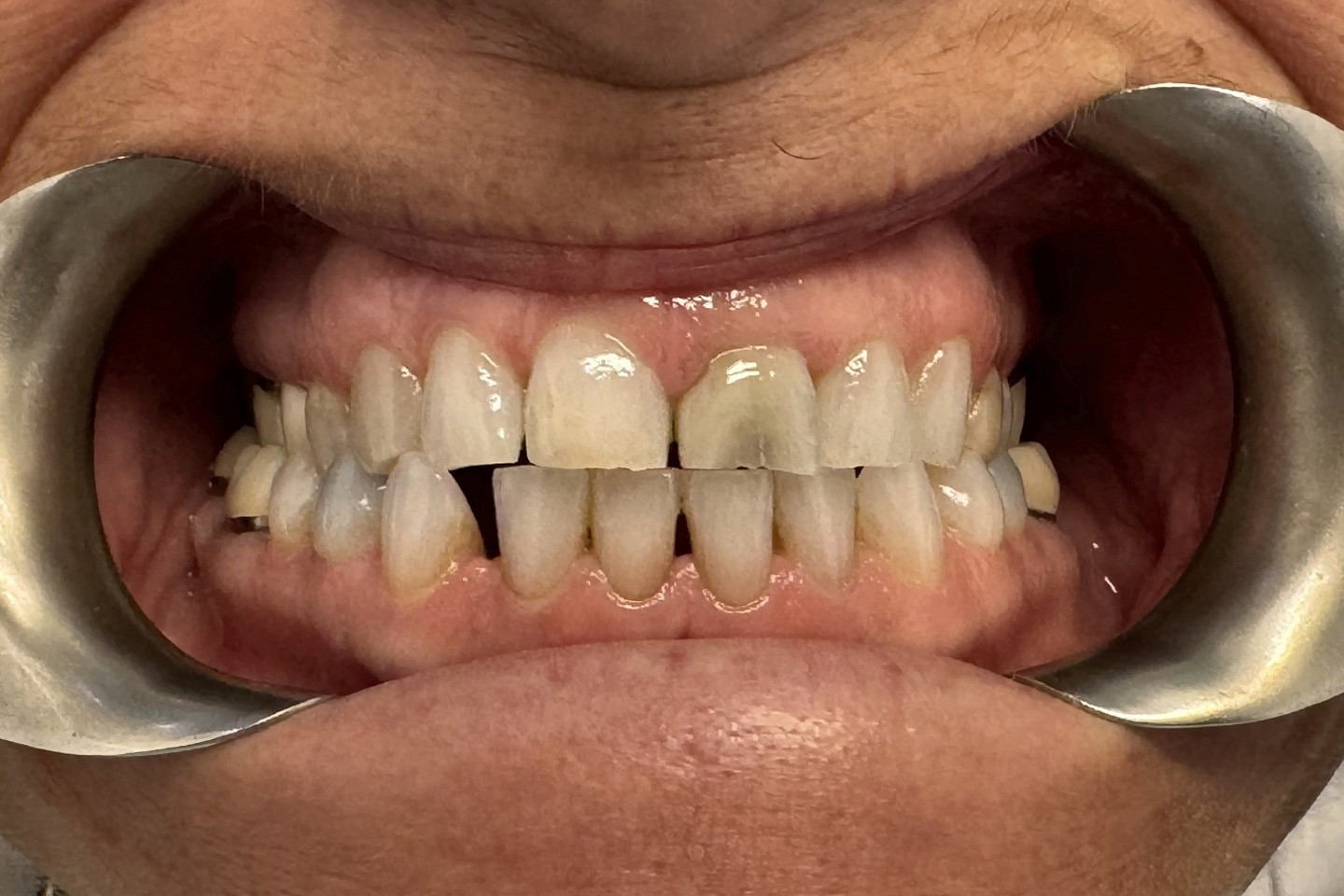
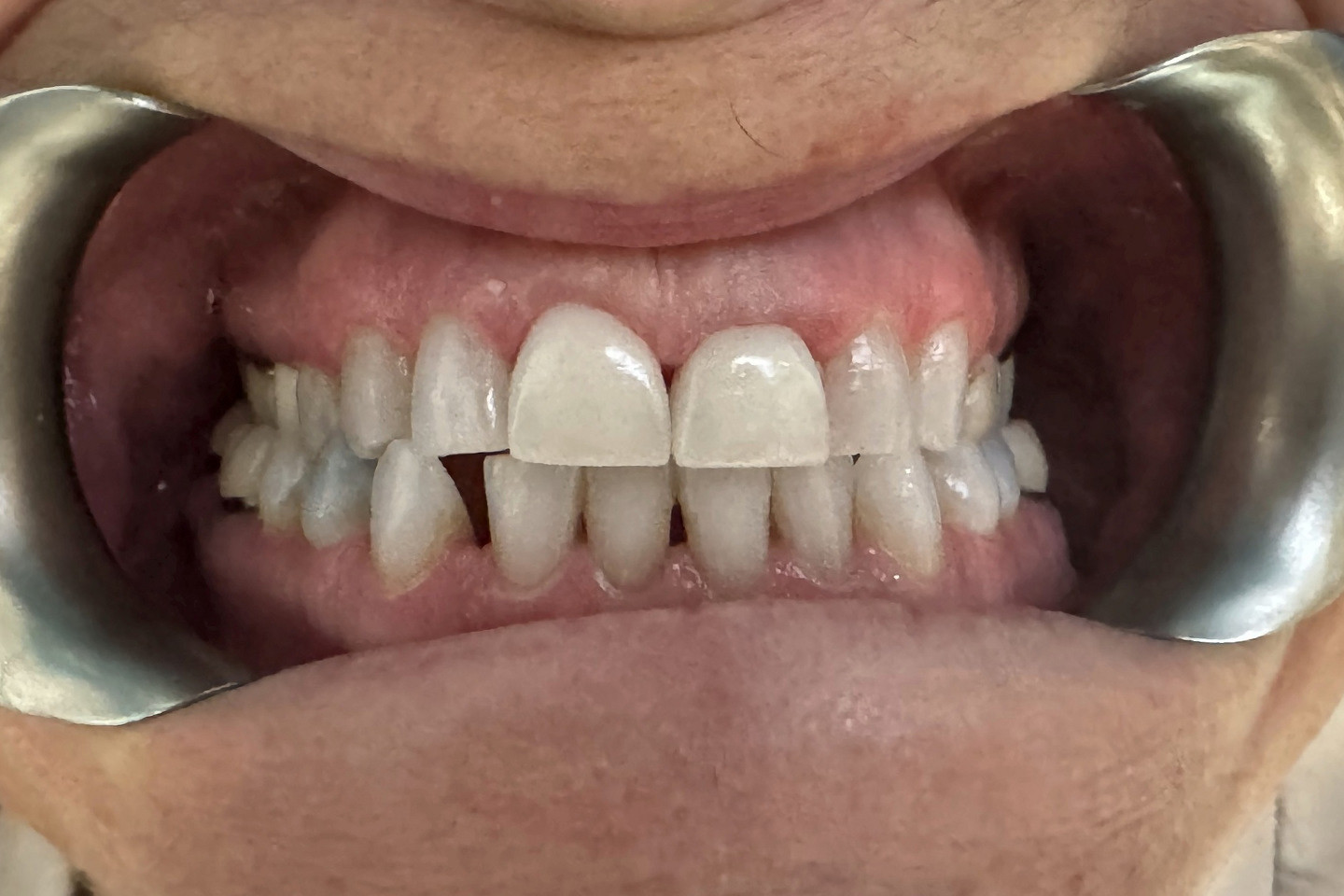
Photos of Green California Dental Group patients are shared with permission. Individual results vary and depend on your examination and treatment plan.
Your next steps
Your treatment plan includes preparation, the proposed care and a review of what happens afterward.
We review the tooth, suitable imaging and your health history, explain alternatives and discuss the recommended extraction and its risks.
The area is numbed and the planned simple or surgical method is used. Tell the dentist if you feel pain so comfort can be reassessed.
Follow the written instructions for the socket, food, cleaning and activity. Attend recommended reviews before moving to replacement treatment.
Meet your dentists
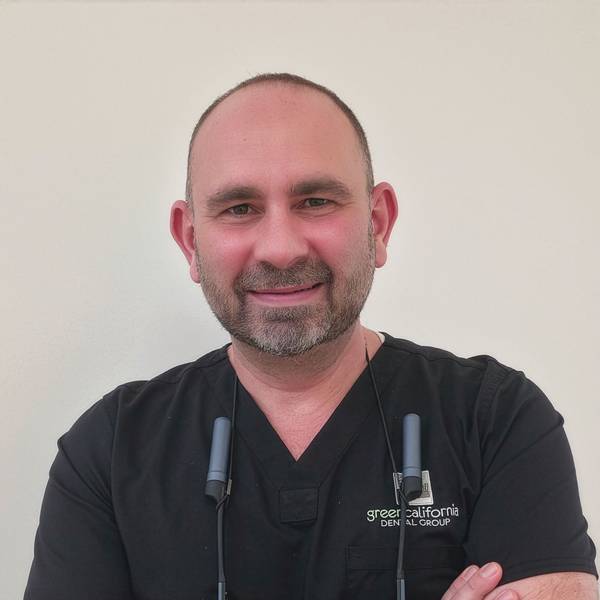
General dentist
Meet Dr. Varand Kerikorian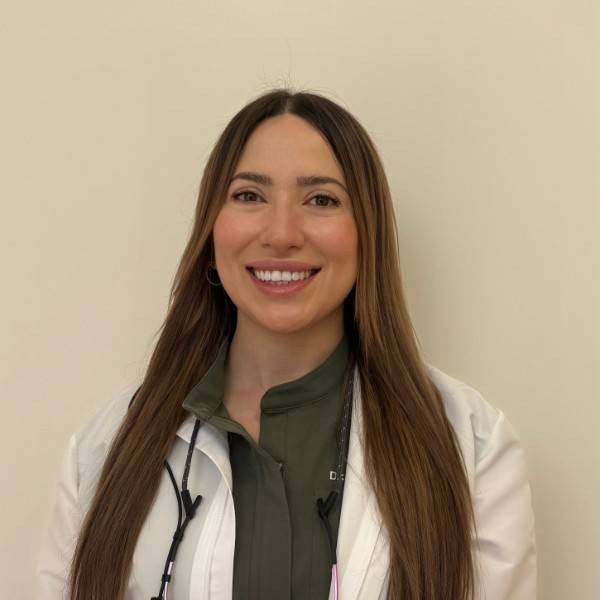
General dentist
Meet Dr. Lina SchultzListening, communication & the experience of care

I have nothing but good things to say about the staff, everyone is amazing with great customer service skills, very professional and helpful! The doctor, just so kind, caring and…
Doctors are brilliant! Knowledgeable and professional. Hygienist is very gentle and compassionate, she used a numbing gel before my cleaning ( I have very sensitive teeth) No Pain! Everyone in…
Clarity before you commit
Two ways to plan your care. Start with an assessment and a clear estimate.
Your benefits
Ask your office to verify your specific plan and benefits. Coverage depends on your plan and the proposed treatment.




Your own payment
Self-pay is available if you are paying without insurance or your treatment is not covered.
Discuss the proposed treatment, what the estimate includes and payment arrangements with your office before treatment.
A little clarity
Good decisions start with questions. These answers are a starting point—not personal dental advice.
A simple extraction removes an accessible tooth through its socket. A surgical extraction requires additional access, such as an incision or dividing the tooth. The label describes the technique, not how urgent the problem is.
Contact your officeNot every toothache or localized dental infection needs antibiotics. Treating the dental source is important, and your dentist decides whether medication is also indicated based on the infection and your health. Do not use someone else’s antibiotics or delay needed treatment.
Contact your officeFollow your own aftercare instructions. Protect the blood clot, avoid smoking and vigorous rinsing during early healing, and choose the foods your dentist recommends. Do not change prescribed medicines without advice. Ask the office if you are unsure about bleeding or pain.
Contact your officeDepending on the site and your needs, possibilities include an implant-supported tooth, a bridge or a partial denture. Discuss the complete treatment sequence before removal when possible. Implant placement and the final restoration are not always done at the extraction visit.
Contact your officeYour next step, close to home
Contact your preferred Burbank or Glassell Park office to discuss the tooth and your treatment options. If you have swelling or severe pain, explain this when you call. Trouble breathing or swallowing, rapidly spreading swelling or uncontrolled bleeding requires emergency medical care.
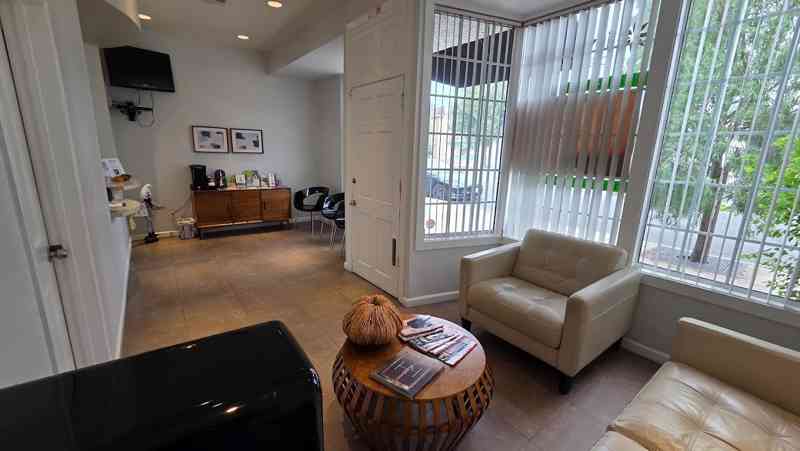
YOUR BURBANK OFFICE

YOUR EAGLE ROCK OFFICE
Call your chosen office to discuss service availability and the next step. A consultation may be for assessment and planning—not treatment the same day.
Request a consultation. Fields marked * are required.