

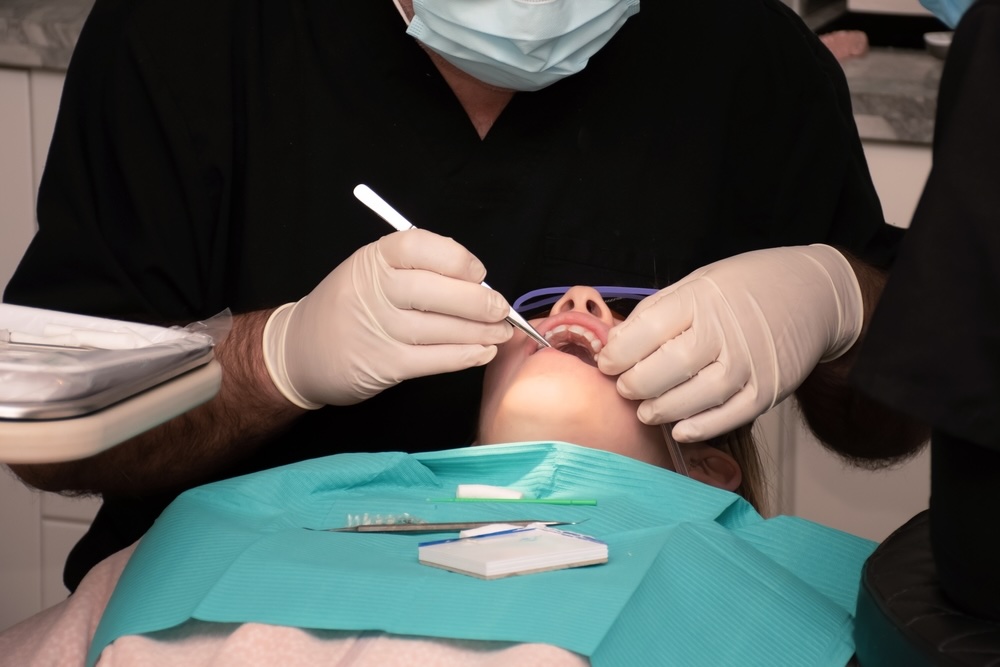
Tooth pain can be confusing. Sometimes it is a small cavity, gum irritation, a cracked filling, or temporary sensitivity. Other times, it may be a sign that the inside of the tooth is inflamed or infected and needs root canal treatment.
If you are wondering how to know if you need a root canal, the most common warning signs include severe tooth pain, lingering sensitivity to hot or cold, pain when biting, swollen gums, a pimple-like bump on the gums, tooth discoloration, or a cracked or injured tooth.
At Green California Dental Group, our team can evaluate tooth pain and help determine whether you need a filling, crown, root canal, extraction, or another treatment. We serve patients in the Los Angeles area through our Burbank dental office and our Glassell Park dental office near Eagle Rock.
What Is a Root Canal?
A root canal is a dental treatment used to save a tooth when the pulp inside the tooth becomes inflamed or infected. The pulp is the soft tissue inside the tooth that contains nerves, blood vessels, and connective tissue.
When the pulp is damaged by deep decay, trauma, cracks, repeated dental work, or infection, the tooth may become painful or develop an abscess. During root canal treatment, the infected or inflamed pulp is removed, the inside of the tooth is cleaned and sealed, and the tooth is restored so it can continue functioning.
In many cases, a root canal can help save a natural tooth that might otherwise need to be removed.
Common Signs You May Need a Root Canal
Only a dentist can confirm whether you need root canal treatment. However, certain symptoms are strong signs that the tooth should be evaluated as soon as possible.
1. Severe Tooth Pain
Severe tooth pain is one of the most common reasons people worry they may need a root canal. The pain may feel sharp, throbbing, deep, or constant. It may also get worse when you bite down, chew, or lie down.
Tooth pain that does not go away should not be ignored. Even if the pain comes and goes, it can still be a sign of decay, infection, or nerve irritation inside the tooth.
2. Lingering Sensitivity to Hot or Cold
Temporary sensitivity can happen for many reasons. However, sensitivity that lingers after drinking something hot or cold may be a warning sign that the pulp inside the tooth is irritated or damaged.
For example, if cold water causes discomfort that disappears quickly, it may not require root canal treatment. But if the sensitivity lasts for several seconds or longer after the temperature trigger is gone, the tooth should be checked.
3. Pain When Biting or Chewing
Pain when biting down can be caused by several dental issues, including a cracked tooth, deep cavity, loose filling, bite problem, or infection near the root of the tooth.
If one tooth hurts every time you chew, or if it feels tender when pressure is applied, schedule an evaluation. Your dentist may need to test the tooth and take X-rays to determine the cause.
4. Swollen or Tender Gums
Swelling around one tooth may be a sign of infection or inflammation. The gums may look puffy, red, or irritated. They may also feel tender when touched.
Swelling should be taken seriously, especially if it is getting worse or is paired with tooth pain, fever, drainage, or a bad taste in your mouth.
5. A Pimple-Like Bump on the Gums
A small bump on the gums near a painful tooth may be a sign of a dental abscess. Some patients notice pus, drainage, a bad taste, or pressure in the area.
This does not always mean the tooth can be saved, but it does mean the tooth needs prompt dental evaluation. Treatment may involve root canal therapy, drainage, extraction, or another procedure depending on the diagnosis.
6. A Darkened or Discolored Tooth
A tooth that turns gray, brown, or darker than the surrounding teeth may have internal damage. This can happen after trauma, deep decay, or nerve damage.
Not every discolored tooth needs a root canal, but a tooth that changes color should be examined, especially if you also have pain, swelling, or a history of injury to that tooth.
7. A Cracked, Chipped, or Injured Tooth
A cracked or injured tooth can allow bacteria to reach the inner part of the tooth. Even if the tooth does not hurt right away, pulp damage can develop over time.
If you cracked a tooth, chipped a tooth, or had trauma to your mouth, a dental exam can help determine whether the tooth needs bonding, a filling, a crown, root canal treatment, or another type of care.
8. Deep Decay or a Large Cavity
When a cavity reaches the deeper layers of a tooth, bacteria may irritate or infect the pulp. At that point, a simple filling may no longer be enough.
If your dentist finds deep decay, they may recommend root canal treatment to remove the infected tissue and preserve the tooth structure.
Tooth Pain Does Not Always Mean You Need a Root Canal
Not every toothache means you need root canal treatment. Tooth pain can come from many causes, and some are less involved than a root canal.
Possible causes of tooth pain include:
- A small or moderate cavity
- A cracked or loose filling
- Gum recession or exposed roots
- Sinus pressure
- Teeth grinding or clenching
- A high bite after recent dental work
- Gum inflammation
- Food trapped between teeth
- A cracked tooth
This is why diagnosis matters. A dentist can examine the tooth, take X-rays when needed, and perform tests to determine whether the problem is coming from the tooth nerve, surrounding gums, bite pressure, or another source.
When Root Canal Symptoms May Be Urgent
Some root canal-related symptoms should be treated as urgent dental concerns. If you have severe pain, swelling, drainage, a pimple-like bump on the gums, or signs of infection, contact a dentist promptly.
You may need emergency dental care if you have:
- Severe tooth pain that does not improve
- Swelling in the gums, jaw, cheek, or face
- Fever with tooth pain
- A bad taste or pus near the tooth
- Pain that spreads to the jaw, ear, neck, or face
- A cracked or broken tooth with pain
- Trouble chewing because of tooth pain
If you have trouble breathing, trouble swallowing, severe facial swelling, or symptoms that feel life-threatening, call 911 or go to the emergency room.
What Happens If You Wait Too Long?
Waiting too long to treat an infected or inflamed tooth can make the problem worse. Pain may increase, infection may spread, and the tooth may become harder or impossible to save.
Delaying care may lead to:
- Worsening tooth pain
- A dental abscess
- Swelling in the gums, jaw, or face
- Bone loss around the tooth root
- The need for extraction
- More complex or expensive treatment later
If your symptoms suggest a tooth infection, it is better to have the tooth evaluated early instead of waiting for the pain to become severe.
Root Canal vs. Tooth Extraction
When a tooth is badly infected or damaged, patients sometimes wonder whether they should get a root canal or have the tooth removed. The right answer depends on whether the tooth can be saved, how much healthy structure remains, the condition of the surrounding bone and gums, and your long-term goals.
| Option | When It May Be Recommended | Main Goal |
|---|---|---|
| Root canal | The tooth can still be saved and restored | Preserve the natural tooth |
| Extraction | The tooth is too damaged, fractured, loose, or infected to save | Remove the source of pain or infection |
Saving the natural tooth is often preferred when it is possible. However, if a tooth cannot be predictably restored, extraction may be the safer option. If a tooth does need to be removed, your dentist can discuss replacement options such as dental implants or dental bridges.
How a Dentist Determines Whether You Need a Root Canal
A dentist does not diagnose the need for a root canal based on pain alone. The exam usually includes several steps to understand what is happening inside and around the tooth.
Your visit may include:
- A review of your symptoms and dental history
- An exam of the painful tooth and surrounding gums
- X-rays to check for decay, infection, bone changes, or cracks
- Testing how the tooth responds to cold or heat
- Testing bite pressure or tapping sensitivity
- Checking for swelling, drainage, or a gum bump
- Reviewing whether the tooth can be restored after treatment
After the evaluation, your dentist can explain whether you need a filling, crown, root canal, extraction, or another treatment.
What Happens During Root Canal Treatment?
Root canal treatment is designed to remove inflamed or infected tissue from inside the tooth. The exact process depends on the tooth and the severity of the infection, but treatment generally includes numbing the area, accessing the inside of the tooth, cleaning and shaping the canals, sealing the tooth, and restoring it.
Many teeth need a crown after root canal treatment, especially back teeth that handle heavy chewing forces. A crown helps protect the tooth and restore function after the inside has been treated.
If your tooth needs a crown after treatment, your dentist can review options for restoring the tooth with a natural-looking result.
Root Canal Treatment in Burbank
If you are experiencing tooth pain near Burbank, Green California Dental Group can evaluate your symptoms and help determine whether root canal treatment or another dental service is needed.
Our Burbank dental office serves patients with tooth pain, sensitivity, swelling, cracked teeth, dental infections, and other urgent or restorative dental concerns.
Root Canal Treatment in Glassell Park Near Eagle Rock
Green California Dental Group also serves patients at our Glassell Park dental office near Eagle Rock. This location may be convenient for adults in Glassell Park, Eagle Rock, Highland Park, Atwater Village, and nearby Los Angeles neighborhoods.
If you have tooth pain, swelling, or symptoms that may point to an infected tooth, our team can examine the tooth and explain your treatment options.
When to Schedule a Dental Appointment
You should schedule a dental appointment if you have tooth pain that lasts more than a day or two, pain when biting, lingering sensitivity, swelling, or signs of infection. Even if you are not sure whether you need a root canal, an exam can help catch the problem before it becomes more serious.
If your symptoms are severe or sudden, contact the office and ask whether emergency dental care is appropriate.
Schedule a Root Canal Evaluation in Los Angeles
If you are wondering whether you need a root canal, Green California Dental Group can help you get answers. Our team can evaluate your tooth pain, check for signs of infection, and recommend the right treatment based on your diagnosis.
Schedule an appointment at our Burbank or Glassell Park near Eagle Rock dental office to find out what is causing your symptoms and what can be done to protect your smile.
FAQs About Needing a Root Canal
You may need a root canal if you have severe tooth pain, lingering sensitivity to hot or cold, pain when biting, swollen gums, a pimple-like bump on the gums, a darkened tooth, deep decay, or a cracked tooth. A dentist must examine the tooth to confirm the diagnosis.
Root canal-related pain may feel deep, throbbing, sharp, or constant. It may get worse when biting or chewing. Some people also feel pain that spreads to the jaw, ear, face, or nearby teeth.
Yes. Sometimes a tooth that needs a root canal may stop hurting if the nerve inside the tooth dies. This does not mean the problem is gone. Infection may still be present and should be evaluated by a dentist.
Not always. Mild or brief sensitivity does not always mean you need a root canal. However, sensitivity that lingers after hot or cold exposure, or sensitivity paired with pain, swelling, or biting discomfort, should be checked.
If a tooth truly needs a root canal and is not treated, pain and infection may worsen. The infection can spread, an abscess may develop, and the tooth may eventually need to be removed.