
Pain with biting or temperature
Discomfort may occur when you bite, release pressure or have something hot or cold. These symptoms can have several causes, so an examination matters.

A chipped or cracked tooth needs assessment to find the extent of damage and whether it can be repaired. Pain may come and go, and damage is not always obvious. Call Burbank or our Glassell Park office, serving Eagle Rock, to describe the problem and check availability.
 Your goals. Your dental health. A plan discussed together.

Know what to look for
Discomfort may occur when you bite, release pressure or have something hot or cold. These symptoms can have several causes, so an examination matters.

A visible chip or missing piece may be repairable, but its appearance alone does not show how deeply the tooth is affected.

An injury, biting hard objects or repeated pressure from clenching and grinding can contribute to damage. Tell your dentist how and when the problem began.

Contact a dentist promptly for an injury, tooth pain, swelling or fever. Trouble breathing or swallowing, extensive mouth swelling or marked difficulty opening your mouth needs emergency medical care—call 911 or go to an emergency department.
Do not bite on hard objects to test a suspected crack. For urgent concerns, call rather than waiting for a website form response.
Explore your options
Treatment depends on the type, location and extent of the damage, the health of the tissue inside the tooth and whether enough sound structure remains. Your dentist will explain which options are appropriate.

Limited damage
A small chip or damaged area may be repaired with tooth-colored composite when the remaining tooth can support it.
A filling is not suitable for every crack.

Protecting the tooth
A crown may cover and protect a damaged tooth when it is restorable. Your dentist checks the crack and remaining structure before recommending it.
A crown cannot guarantee that a crack will stop progressing.

When inner tissue is affected
If the pulp is affected and the tooth can be saved, root canal treatment may be considered along with an appropriate restoration.
Symptoms alone do not establish that a root canal is needed.

When repair is not possible
Some deep cracks or severely damaged teeth cannot be restored. Extraction may then be discussed, with replacement planning considered separately.
An assessment comes before choosing removal or replacement.
The right treatment depends on examination findings, your dental health and whether the tooth can be restored.
Before & after
Examples of care from our practice; treatment varies by case.
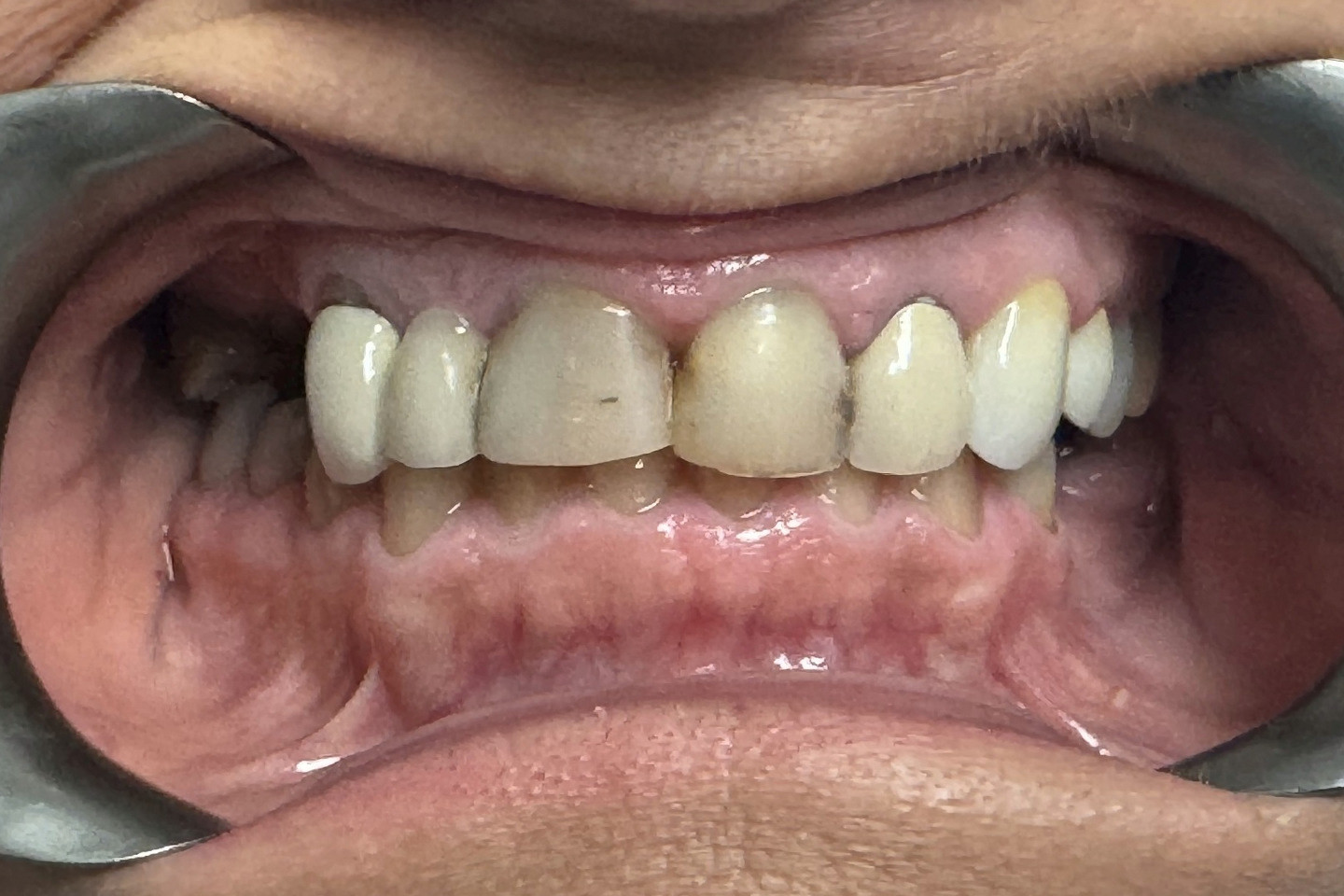
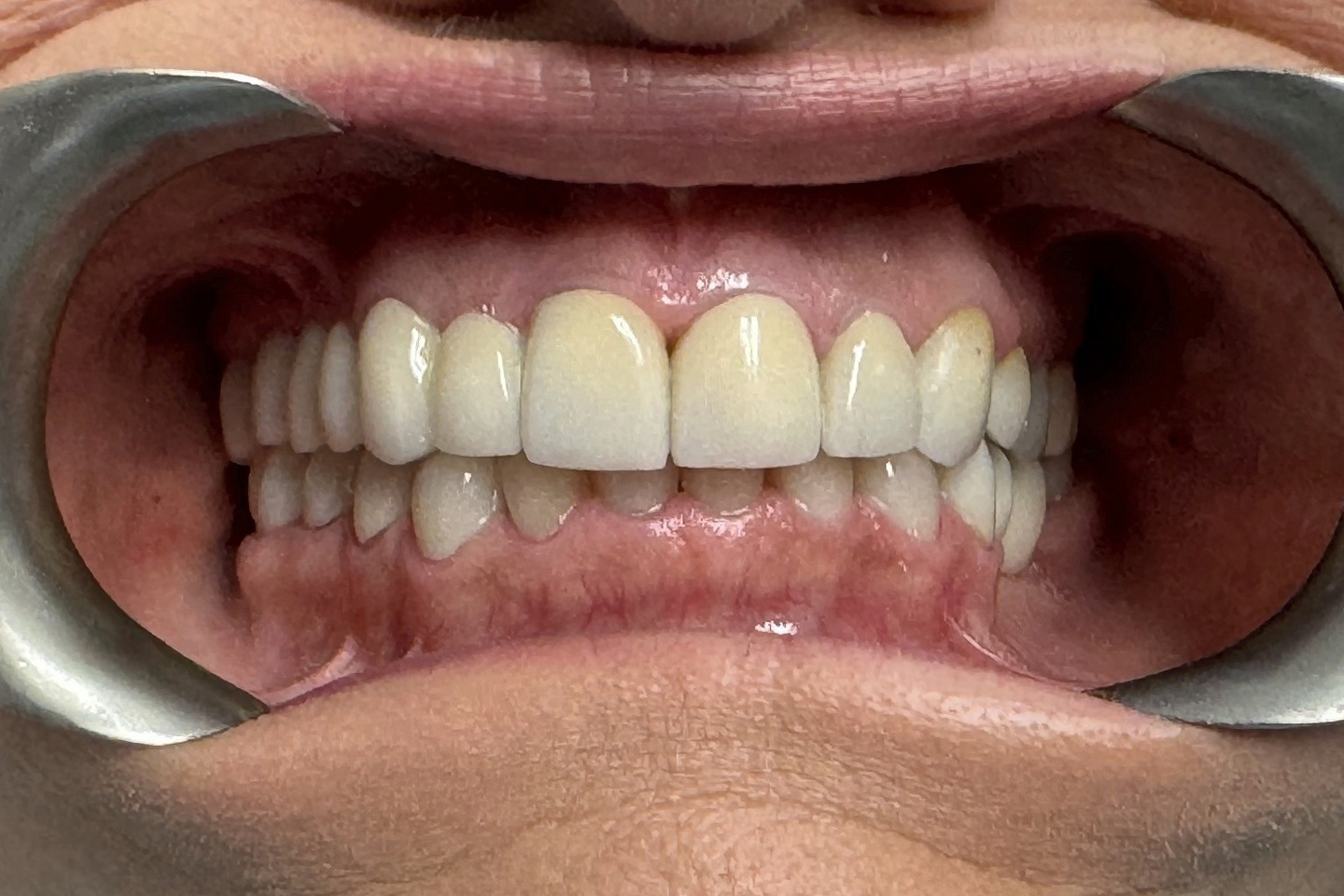
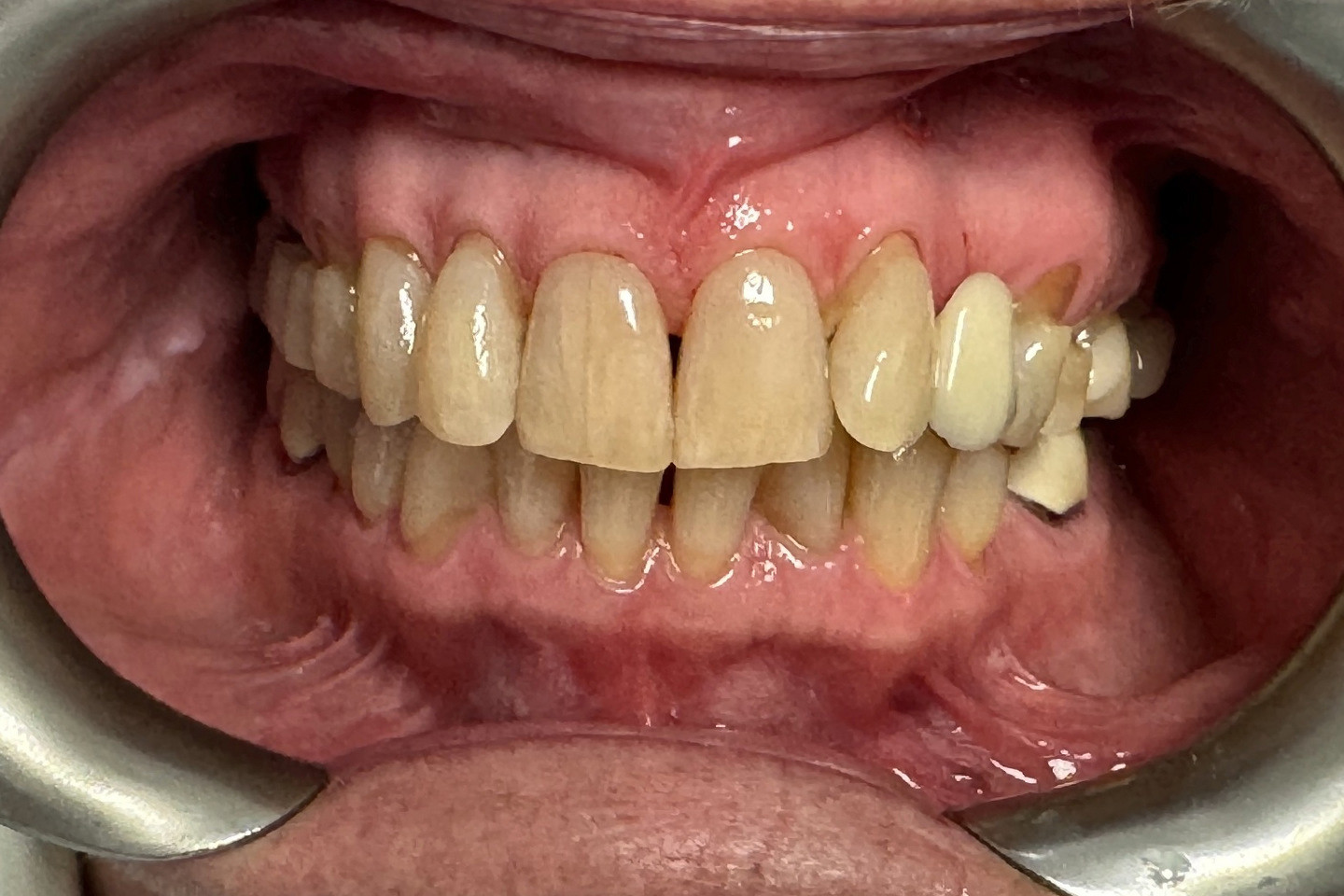
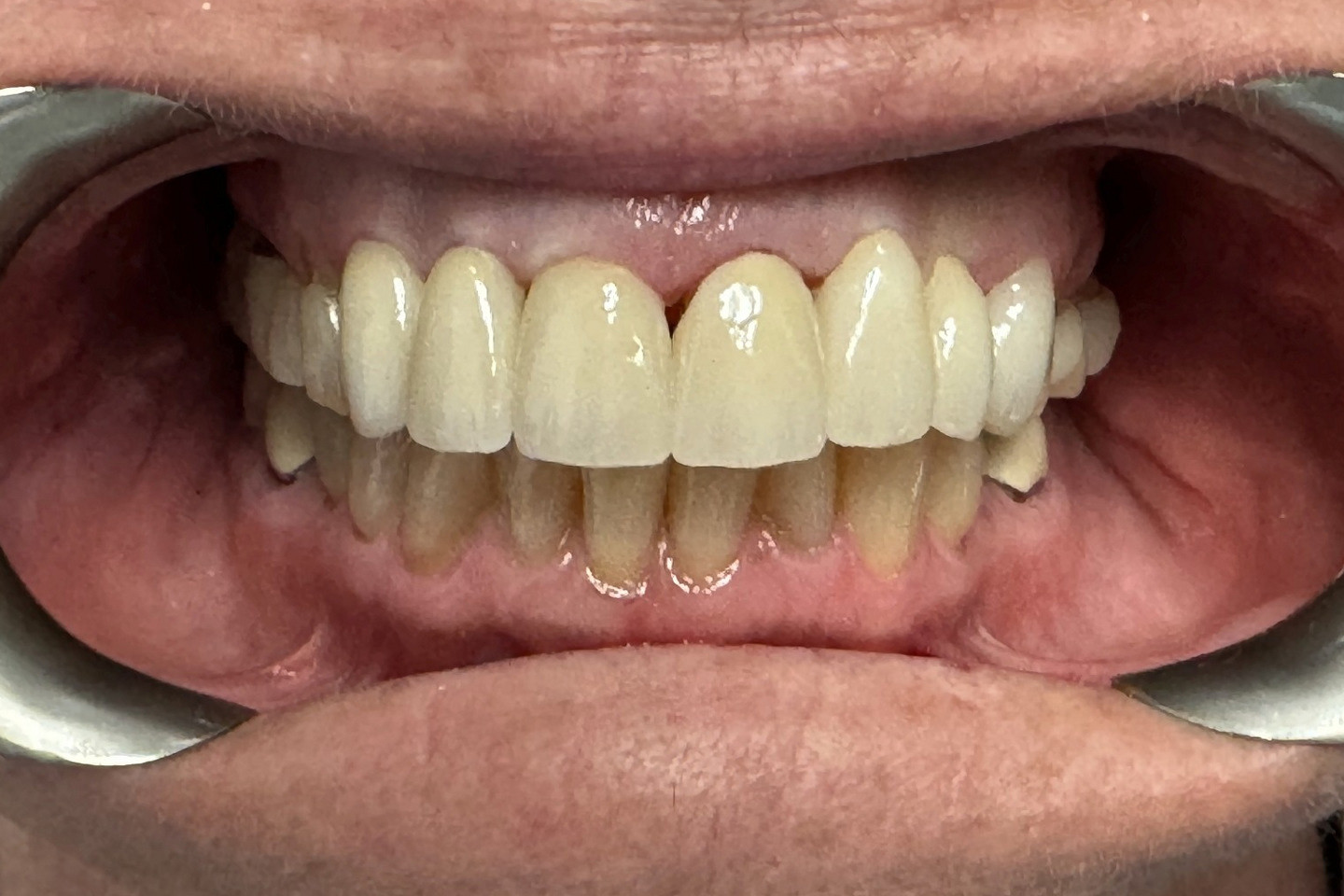
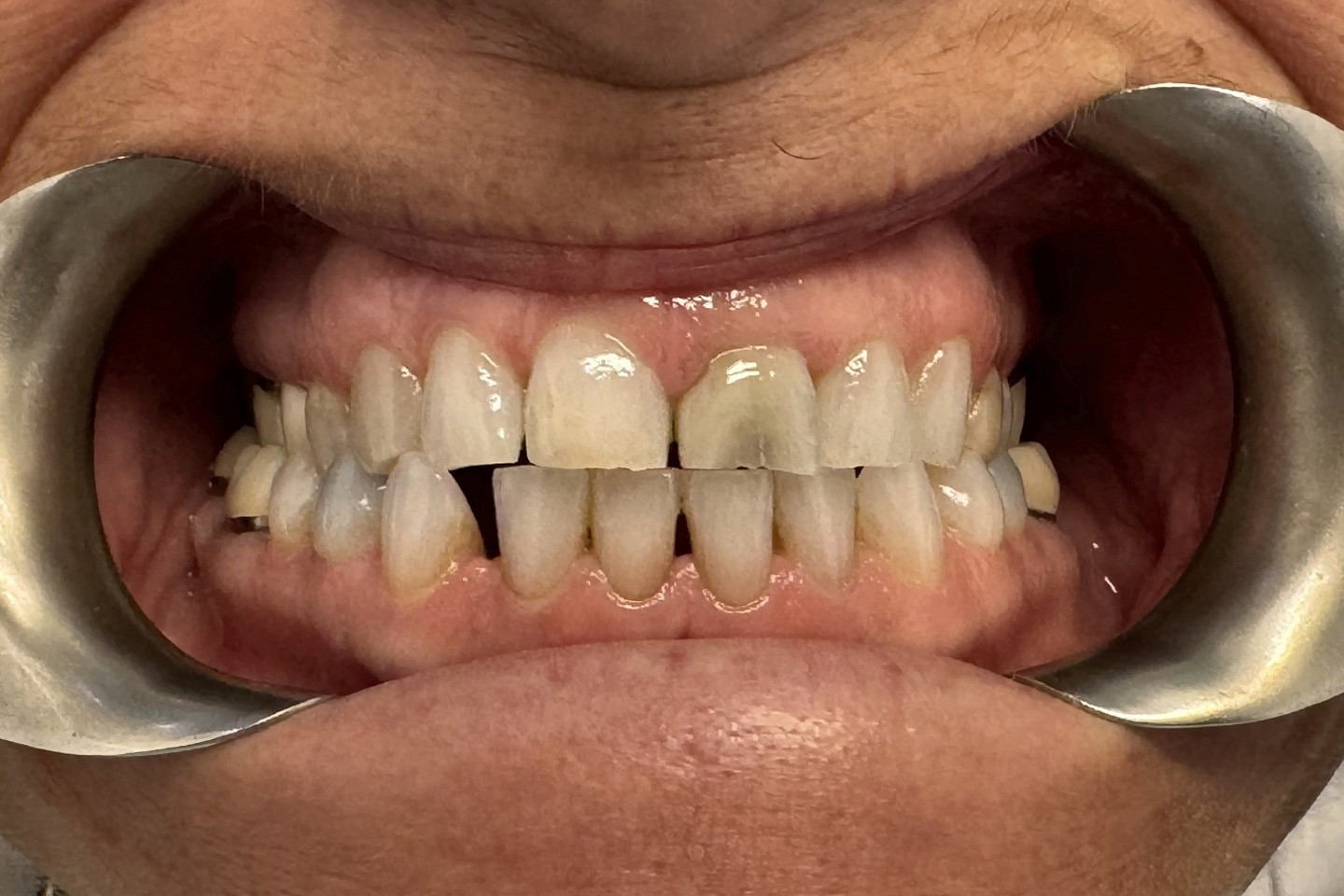
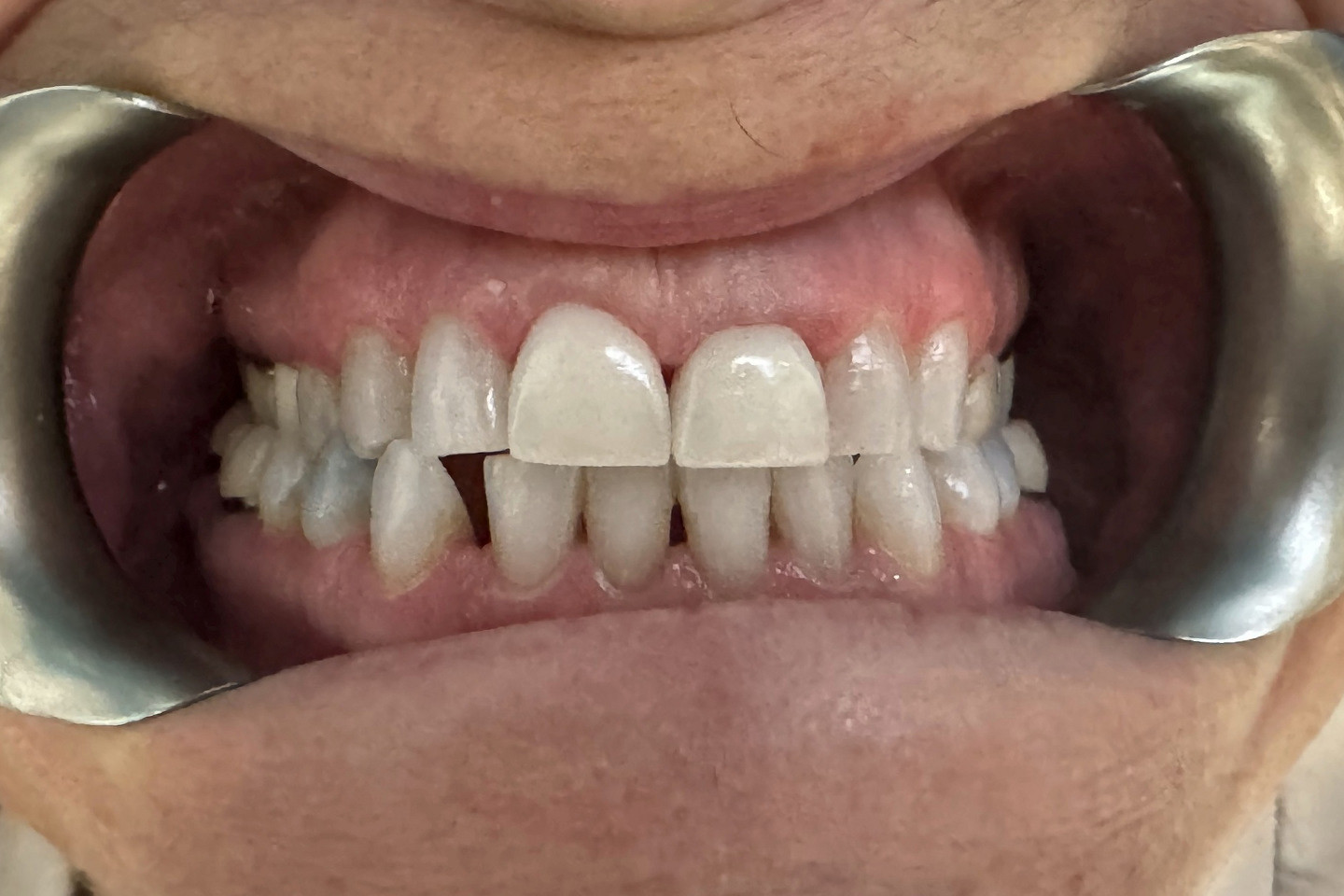
Photos of Green California Dental Group patients are shared with permission. Individual results vary and depend on your examination and treatment plan.
Your next steps
The first step is understanding the damage, not choosing a procedure from symptoms alone. Your dentist may recommend further assessment or specialist care when needed.
Explain when the injury or pain began, what makes it worse and whether you have swelling, sensitivity or recent dental work.
Your dentist assesses the tooth, surrounding tissues and bite. Tests or imaging may be considered to help investigate the damage.
Review whether the tooth can be restored, what each suitable option involves and any uncertainty about the crack or its prognosis.
Agree the next step and any preparation or aftercare. Treatment may require more than one visit; contact the office if symptoms change or worsen.
Meet your dentists
Our dentists can assess your concern, explain repair options and discuss whether further evaluation or referral is appropriate.
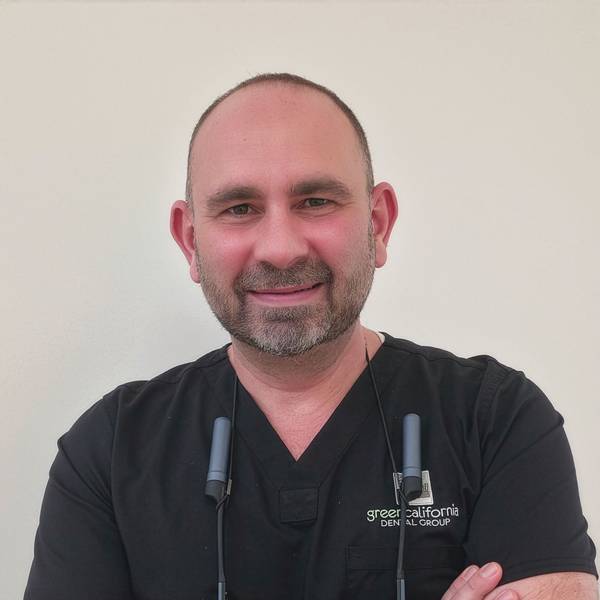
General dentist
Meet Dr. Varand Kerikorian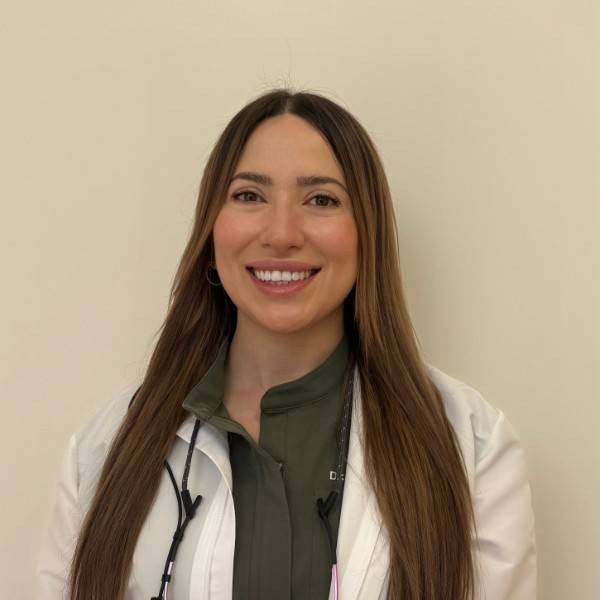
General dentist
Meet Dr. Lina SchultzListening, communication & the experience of care

I have nothing but good things to say about the staff, everyone is amazing with great customer service skills, very professional and helpful! The doctor, just so kind, caring and…
Doctors are brilliant! Knowledgeable and professional. Hygienist is very gentle and compassionate, she used a numbing gel before my cleaning ( I have very sensitive teeth) No Pain! Everyone in…
Clarity before you commit
Two ways to plan your care. Start with an assessment and a clear estimate.
Your benefits
Ask your office to verify your specific plan and benefits. Coverage depends on your plan and the proposed treatment.




Your own payment
Self-pay is available if you are paying without insurance or your treatment is not covered.
Discuss the proposed treatment, what the estimate includes and payment arrangements with your office before treatment.
A little clarity
Good decisions start with questions. These answers are a starting point—not personal dental advice.
Not always. Symptoms can be intermittent, and some cracks cause little discomfort. A lack of pain does not tell you how deep a crack is or whether treatment is needed. Have suspected damage assessed.
Request an AppointmentSome small chips or limited damage can be repaired with a composite filling. Other teeth may need a crown, root canal treatment or removal. The extent of the crack and whether the tooth is restorable guide the recommendation.
Compare repair optionsA crack in a tooth does not heal like a broken bone. Treatment may protect or restore the tooth, but some cracks can still progress. Your dentist will explain the outlook for your particular tooth.
Request an AppointmentContact the office promptly. Rinse gently with warm water and avoid chewing on the affected tooth or biting hard objects to test it. A cold compress on the outside of the face may help after an injury. Do not put aspirin on the tooth or gums. See urgent dental guidance if symptoms are worsening.
Emergency dental careAvoid chewing ice, pens or hard objects and do not use your teeth to open packages. Ask your dentist about protection for contact sports or clenching and grinding. These steps reduce avoidable stresses but cannot prevent every crack. For pain with biting, our existing guide explains other possible causes too.
Read about pain when bitingYour next step, close to home
Call your preferred office to describe a chipped, cracked or broken tooth and check the next appropriate appointment. For urgent symptoms, use the phone numbers below rather than waiting for a form reply. Trouble breathing or swallowing or extensive mouth swelling needs emergency medical care.

YOUR BURBANK OFFICE

YOUR EAGLE ROCK OFFICE
Call your chosen office to discuss service availability and the next step. A consultation may be for assessment and planning—not treatment the same day.
Request a consultation. Fields marked * are required.